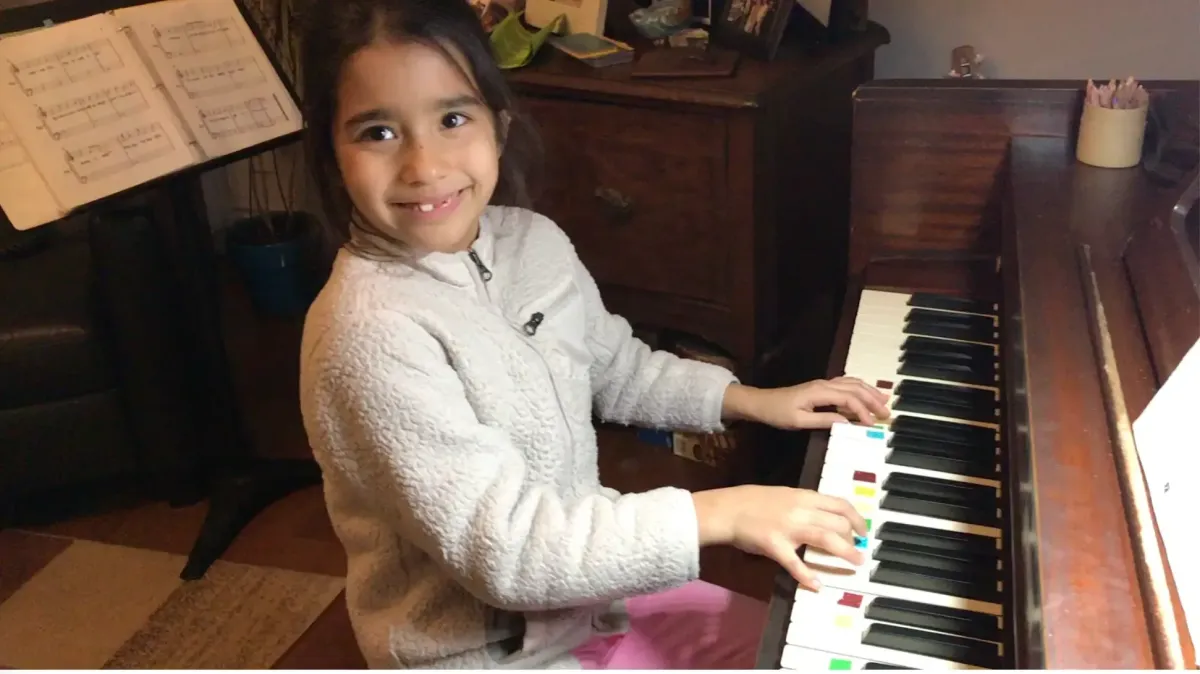
Music Lessons For Kids: The Best Start Before Age 6
Have you ever wondered how early musical training can impact a child's future? Research shows that starting music lessons before the age of six can significantly influence a child's cognitive and social development. In this blog post, we will explore the numerous benefits of early music education, and how it can give your child a unique advantage in life. You'll learn about the correlation between music and improved academic performance, emotional intelligence, and social skills, along with practical tips for getting started with music lessons.
For families exploring music lessons in Brooklyn, an early start can be both convenient and engaging. Musicolor NYC offers personalized in-home lessons designed around each child’s age, interests, and learning style.
The Cognitive Benefits of Early Music Lessons
In the realm of child development, music has proven to be a game changer. A multitude of studies supports the idea that early exposure to music can enhance cognitive skills. When children engage in music lessons, they are not only learning to play an instrument but also developing skills that are transferable to other areas of their lives.
1. Enhancing Memory Skills
The brain’s plasticity is at its peak during childhood. Learning music requires memorization of notes, rhythms, scales, and sometimes even complex pieces. This exercise provides children with ample opportunities to strengthen their memory skills.
Research conducted at the University of California found that children who participated in music lessons showed dramatic improvements in memory capabilities compared to those who did not. This cognitive enhancement translates into better performance in academic settings, particularly in subjects like mathematics, science, and languages.

2. Improved Spatial-Temporal Skills
Spatial-temporal skills refer to recognizing patterns and understanding how objects relate to each other in space and time. To play a musical piece effectively, children need to understand these relationships. Consequently, early music education has been linked to improved spatial reasoning, which is crucial for success in subjects like geometry.
3. Language Development
Children who study music often develop better phonemic awareness. The ability to discern slight differences in sounds enables musicians to become better at understanding and using languages. Music training correlates with improved vocabulary and comprehension skills as kids learn to identify rhythms, beats, and tonal variations. A study published in the journal Neuroscience Letters showed that children with music lessons outperformed their peers on language proficiency tests.
The Emotional Impact of Music Education
Music is not just a set of notes; it encompasses emotions, storytelling, and connections. Early exposure to music can significantly impact a child's emotional and social development.
1. Building Emotional Intelligence
Children learning music become more attuned to emotions – both their own and those of others. They learn to express feelings through music, developing the ability to convey emotions without words. This artistic expression can enhance their emotional vocabulary, making it easier for them to relate to their peers and handle complex emotions.
2. Fostering Resilience and Discipline
Learning an instrument is not easy. Children face challenges and setbacks, requiring perseverance. The journey from struggle to mastery can instill a sense of discipline and resilience in young learners. They learn to value hard work and understand that achieving goals often requires effort and dedication. This nurturing of grit will serve them well in their academic and personal lives as they tackle obstacles in the future.
3. Cultivating Social Skills
Early music lessons often involve group settings. Whether in a band or an orchestra, children learn to collaborate, listen, and respect one another. The social dynamics of playing music with others foster skills such as teamwork and communication.

Practical Tips for Introducing Music Lessons Early
If you're convinced that early music education is crucial for your child's development, here are some actionable tips you can implement right away:
1. Start with Simple Instruments
Introduce your child to instruments like the keyboard or ukulele that have an approachable learning curve. For families interested in beginner piano lessons, piano can be an especially accessible choice because children can immediately see and hear how the keys work.
2. Make it Fun!
Incorporate games and activities that engage your child's interest in music. This may include action songs or movement activities related to rhythm.
3. Expose Them to Live Music
Take your child to concerts or musical performances whenever possible. Observing live music can ignite their passion for playing.
4. Encourage Exploration
Allow your child to explore different instruments. They might gravitate towards one instrument over another and should have the chance to find what resonates with them.
5. Look for Enrichment Programs
Enroll your child in music classes or workshops that focus on early childhood music education. Look for schools that follow recognized musical curricula, ensuring quality teaching approaches.
The Long-Term Advantages of Starting Music Lessons Early
The benefits of early musical training extend beyond childhood. As children progress in their music education, they gain lasting advantages that can significantly shape their futures.
1. Academic Achievement
The cognitive skills developed during early music lessons contribute to better performance in school. Many musicians excel in academic subjects, thanks to improved memory and enhanced analytical skills.
2. Lifelong Appreciation for the Arts
Cultivating musical interests at an early age often leads to a lifelong appreciation for the arts. Children who are exposed to music might become avid concert-goers or supporters of local arts programs as they grow older.
3. Career Opportunities
While not every child will become a professional musician, the skills learned from music education: such as discipline, creativity, and teamwork: are desirable in virtually every profession.
4. Boosting Self-Confidence
Successfully mastering an instrument instills confidence in children. This self-assurance can be carried into other areas of their lives, enhancing their ability to tackle challenges head-on.
Overcoming Common Hesitations About Early Music Education
It's not uncommon for parents to harbor doubts regarding the benefits of introducing music lessons early. Here are some frequently raised concerns, along with reassurances:
1. “Will my child stick with this?”
It's natural for children to try different activities. By introducing them to music early, you provide them with a diverse set of life skills that can remain with them even if they choose not to pursue music as a lifelong passion.
2. “Is it worth the investment?”
The cognitive, emotional, and social benefits gained from music education and the essential skills learned are invaluable for a child’s development. The return on investment significantly outweighs the initial expenses involved.
3. “My child may not be musically inclined.”
Music education is less about natural talent and more about practice, exposure, and engagement. Children can develop musical skills with consistent practice and the right guidance.
Real-Life Impact: Success Stories
Numerous successful individuals credit their early musical training as foundational in their lives. For instance, esteemed composer and pianist Ludovico Einaudi started his piano lessons when he was just a child. His incredible career as a composer and performer showcases the long-term effects of starting music education early.
Another interesting case is that of actor and musician Jared Leto, who started playing guitar at a young age. His journey highlights the versatility of musical skills beyond traditional performance: leading to success in diverse creative fields.

A Call to Action: Take the Next Step
The early years of life are critical for growth, and introducing music lessons before the age of six can provide your child with benefits that last a lifetime. Think about the tremendous advantages of cognitive skills, emotional intelligence, and social interaction they will gain!
If you're ready to help your child become a well-rounded individual with a lifelong advantage, book a consultation call to discuss starting their music education today!
Final Thoughts
As you navigate parenthood, remember that investing in your child’s musical education can open doors for endless possibilities. By introducing music lessons early on, you are nurturing their creativity, cognitive skills, and emotional development. How will you help your child unleash their potential through music?
