

IN-HOME MUSIC LESSONS IN NYC/MUSICOLOR METHOD- GLOBAL
Update: Winter recital canceled due to snow - Jan 25





















Musicolor Method NYC was formerly known as Park Slope Music Lessons, proudly serving Brooklyn families for over 19 years.
Welcome to Music Lessons That Build Confidence First
We help children play music before they’re asked to read or perform—so learning feels natural, calm, and fun.
At Musicolor Method NYC, our teachers bring joy through in-home music lessons that make learning feel natural and fun - all while building confidence one colorful note at a time!
A Personal Welcome from Our Founder
I started Musicolor because I saw too many children lose confidence before they ever had a chance to succeed.
Why Musicolor Works for Young Children
Beginner-Friendly Music Lessons in NYC – From the School That Started It All
Children don’t learn best under pressure.
They learn best when they feel safe, successful, and supported.
Our approach is designed to build confidence first—so skills develop naturally over time.
Formerly known as Park Slope Music Lessons, our Brooklyn-based school is the original birthplace of the Musicolor Method® — a revolutionary way to teach music that’s joyful, intuitive, and child-centered.
Founded in 2007 by educator and author Andrew Ingkavet, our program has grown from a local neighborhood studio into a thriving community of 20 passionate teachers providing expert private music lessons in NYC.
Over the past 18+ years, we’ve helped thousands of students from all backgrounds build confidence, creativity, and lifelong joy through beginner music lessons and personalized musical guidance.
Whether you’re searching for fun, effective music lessons in NYC for your child or a holistic, in-home program tailored to beginners, our experienced teachers make learning music accessible, engaging, and rewarding.
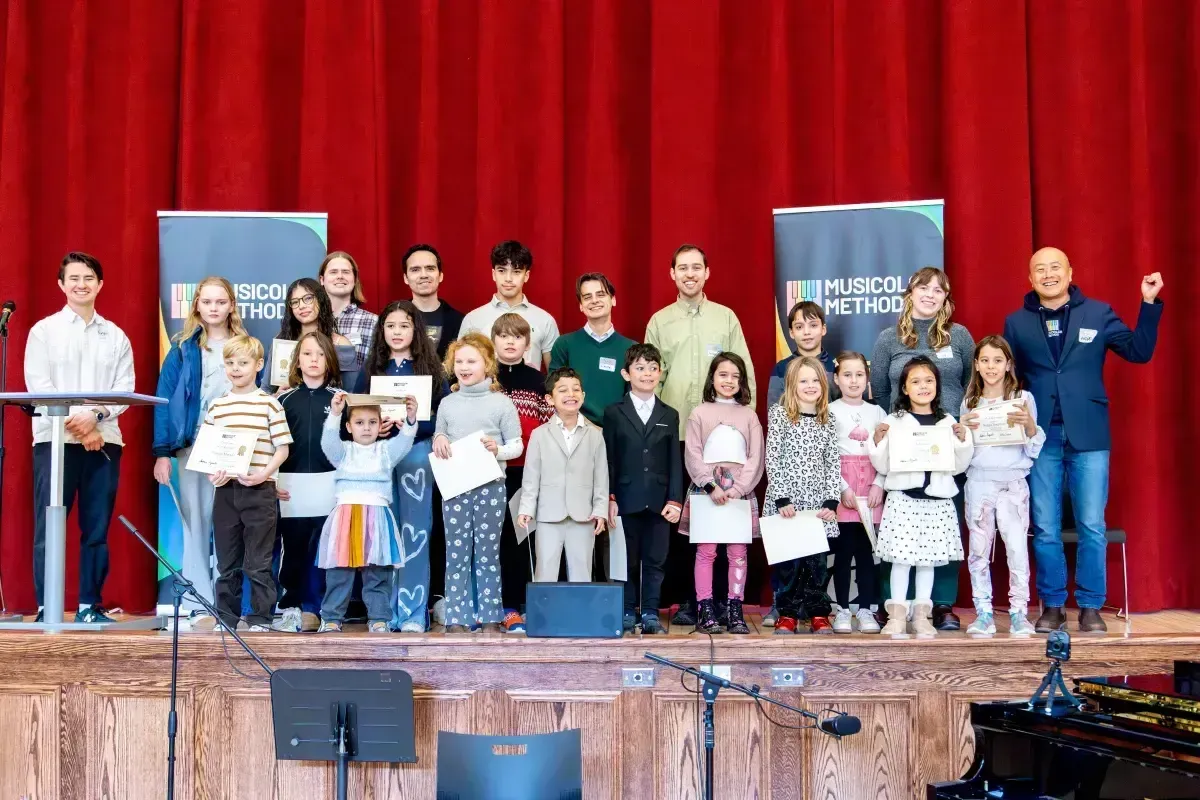
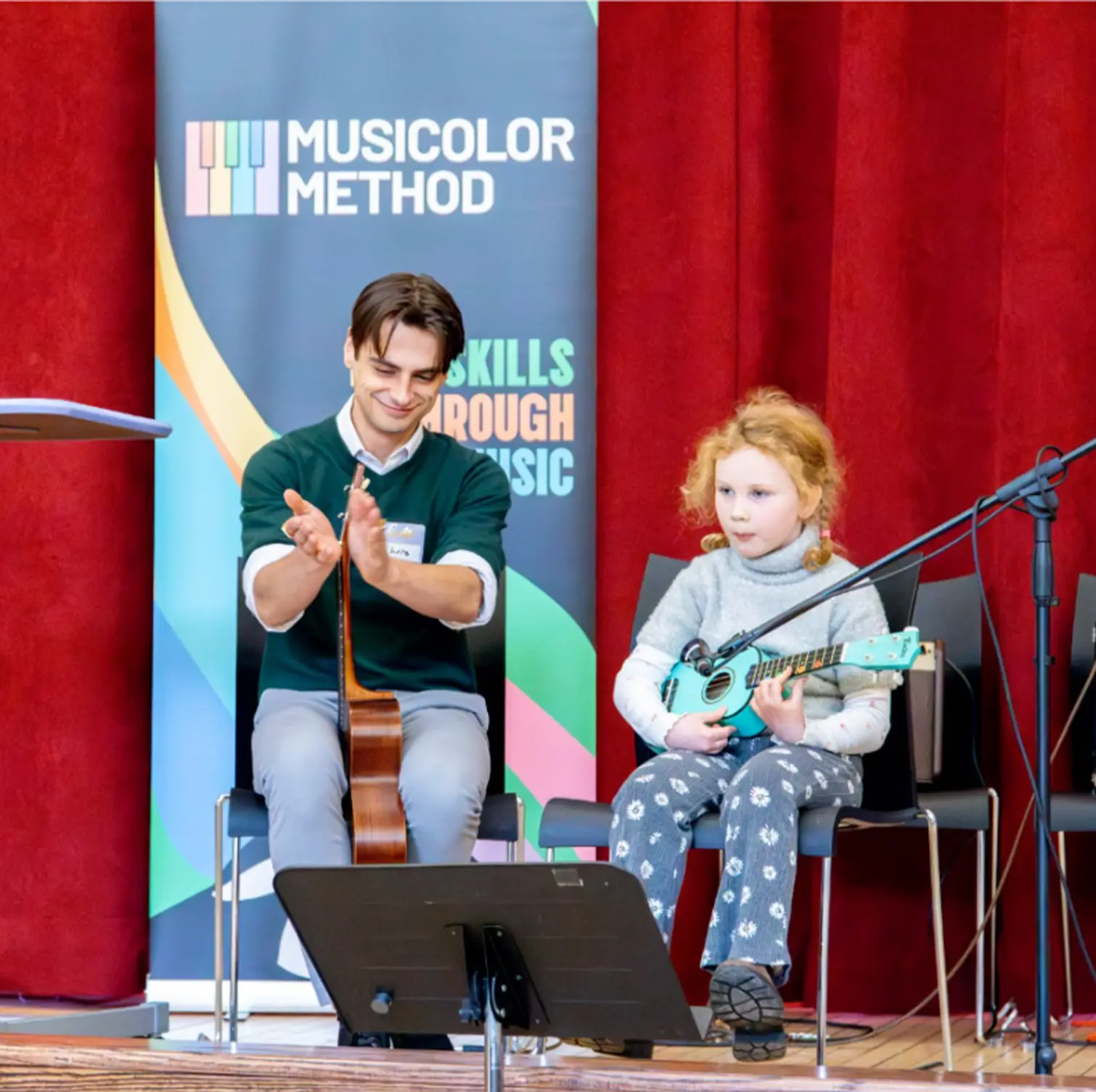
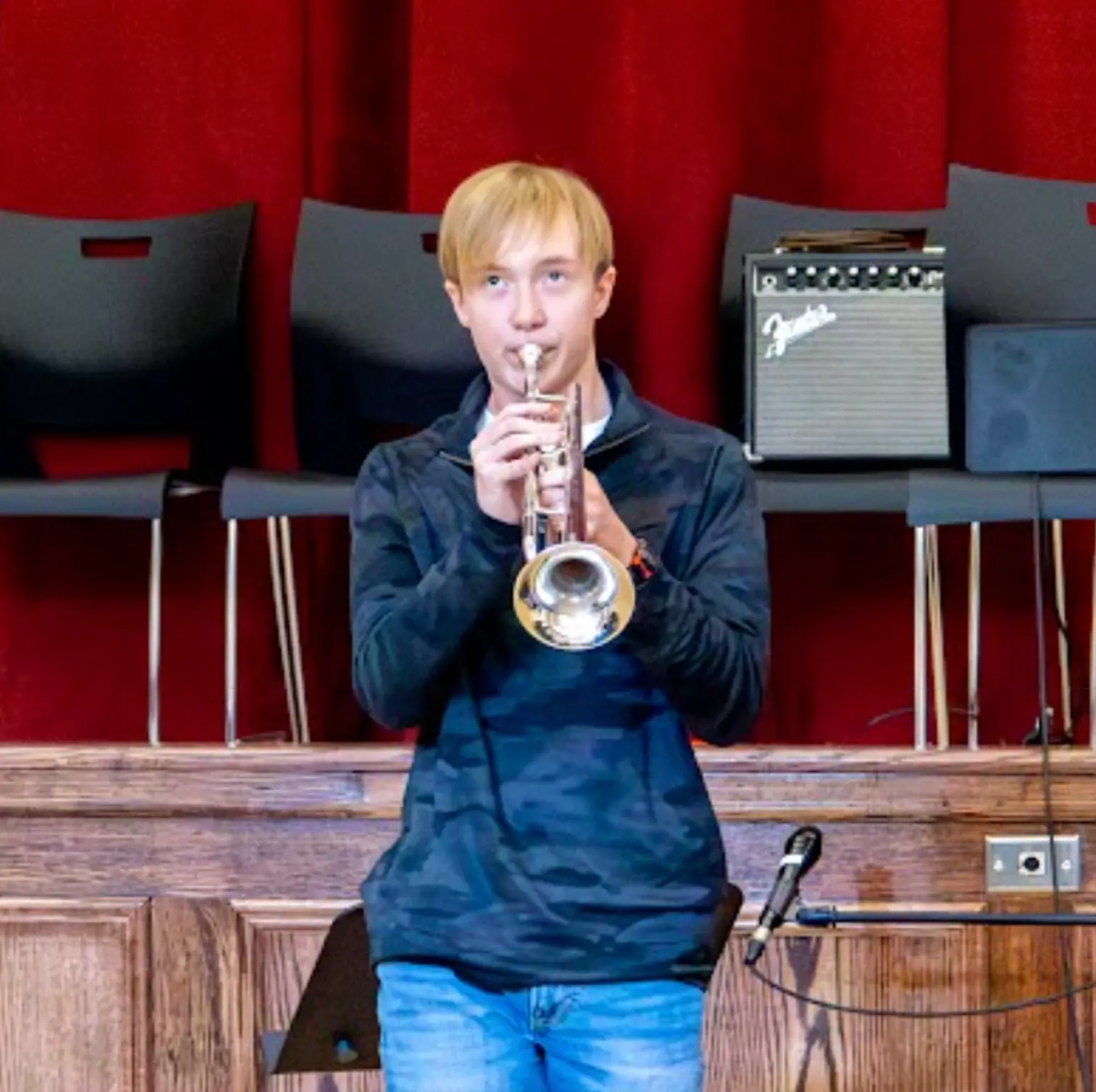
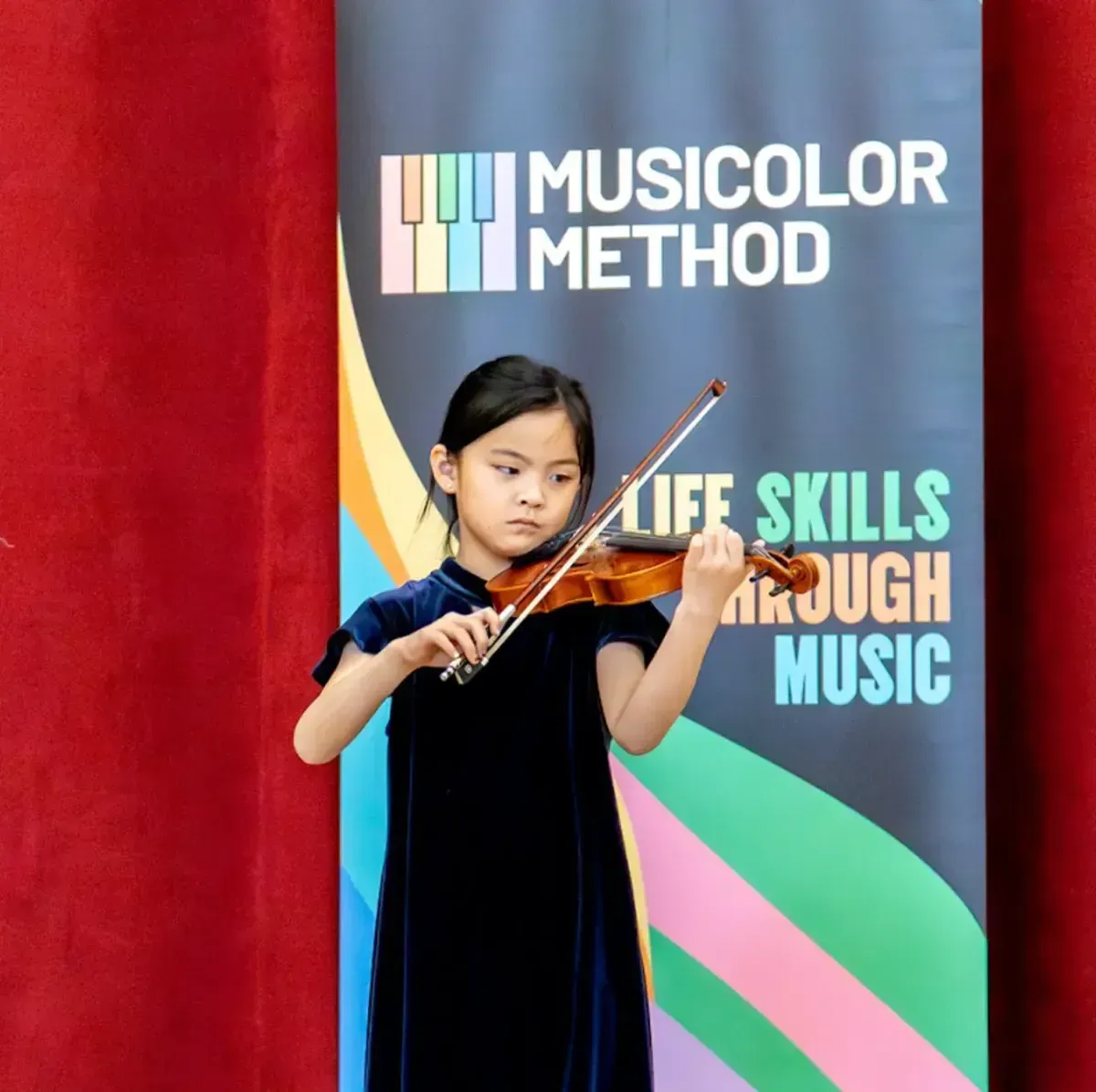
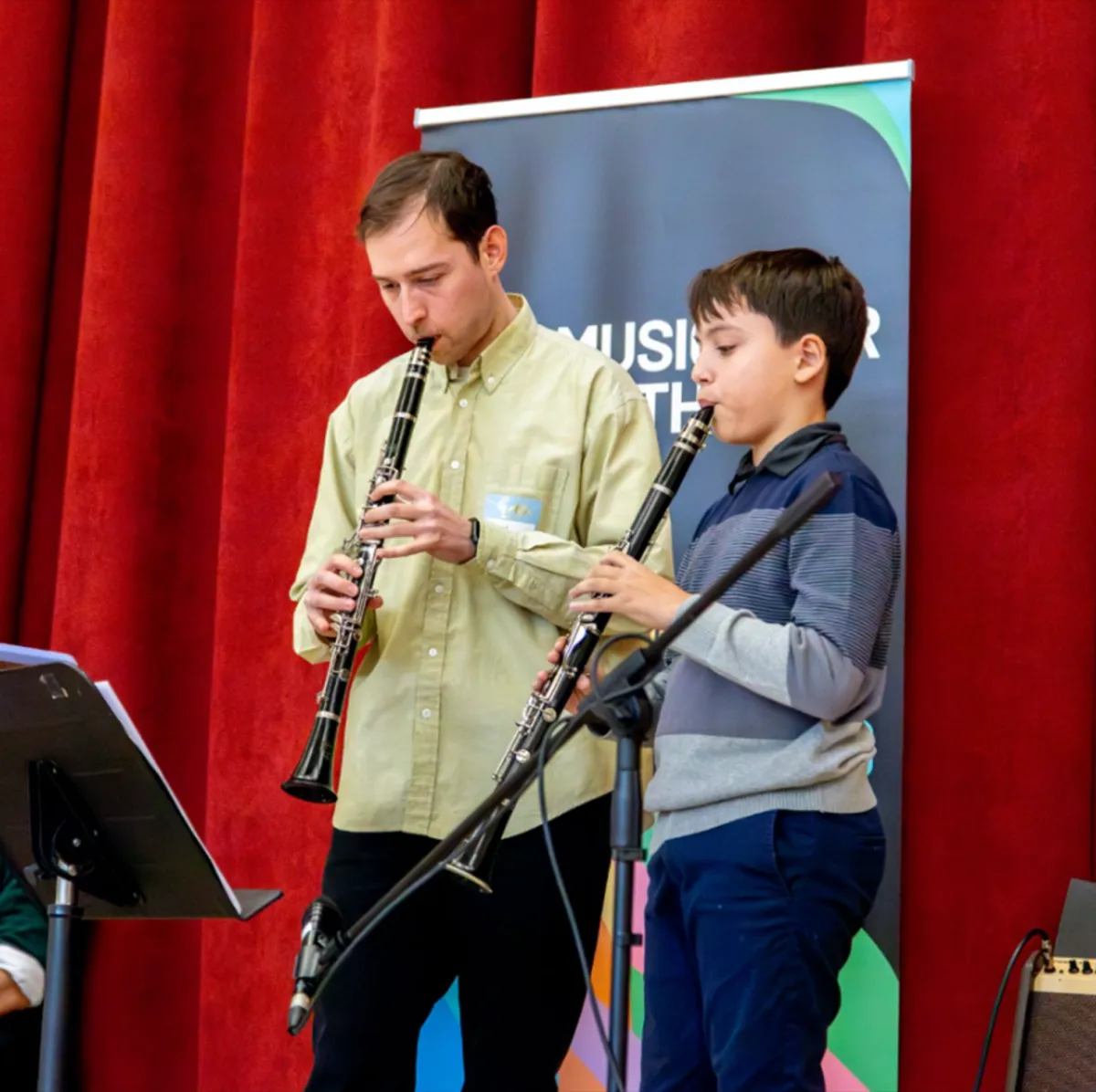
Our Events


Made for Tiny Hands, Big Imagination
Through the Musicolor Method, we merge playful melodies with pivotal life skills ensuring your child looks forward to every lesson. Perfect for beginner music lessons and young learners starting their musical journey.
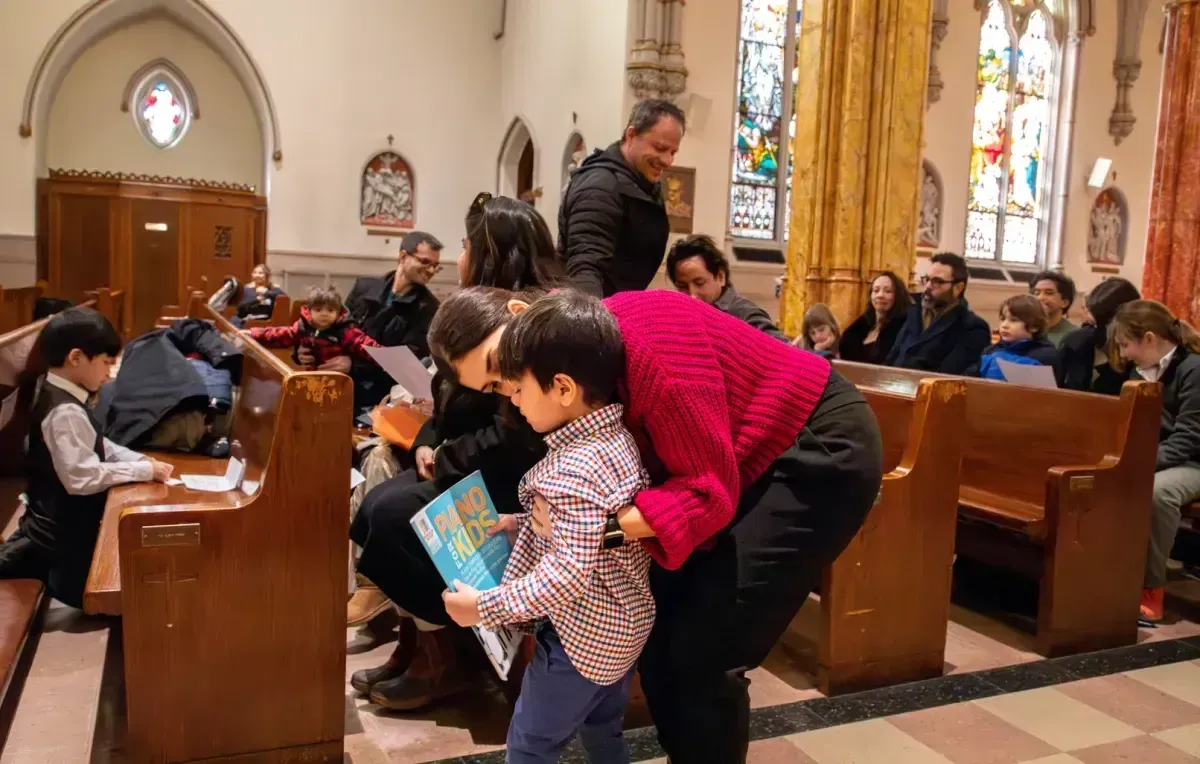
Safe, Comfortable Learning Environment
Lessons in the familiar surroundings of home mean a relaxed child, optimal for absorbing both music and life skills. Ideal for families seeking private music lessons in NYC that offer convenience and comfort.
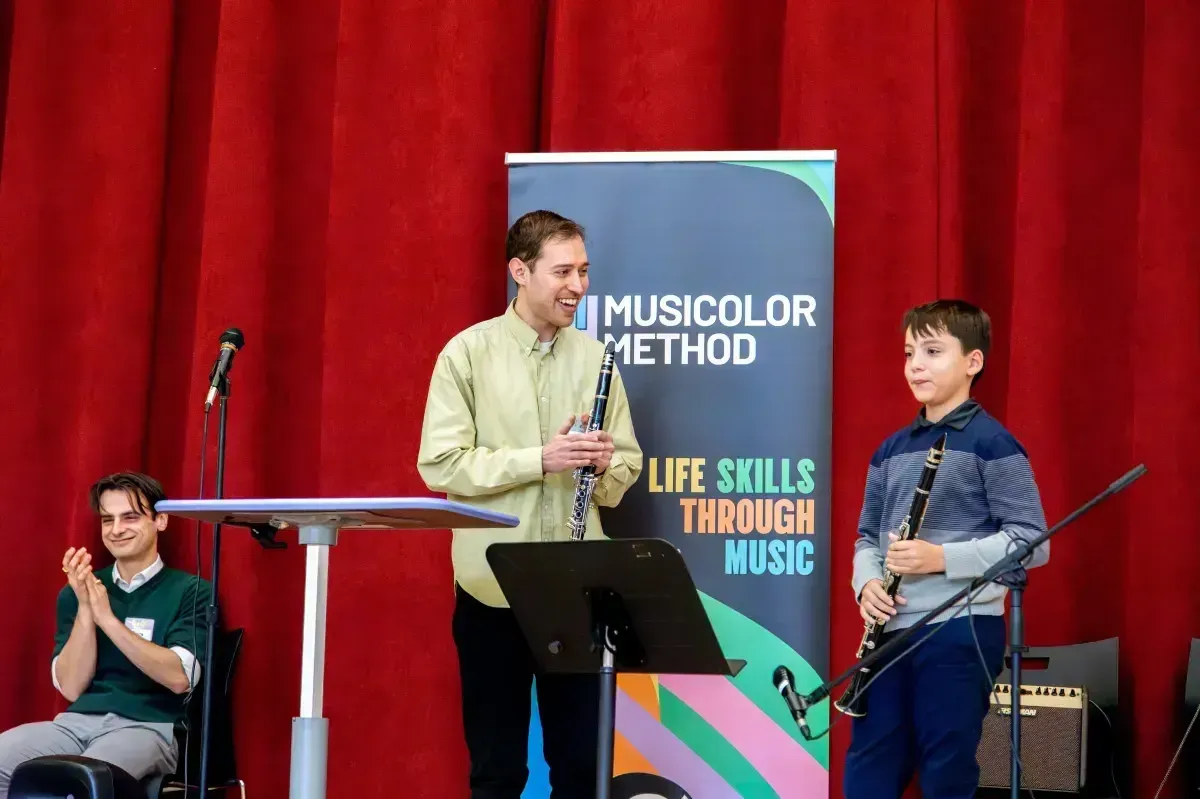
Routine Reinvention in Their Space
Inculcating values of discipline and routine becomes more effective in a familiar setting, turning daily home routines into learning experiences. A key feature of our in-home music lessons for young students.
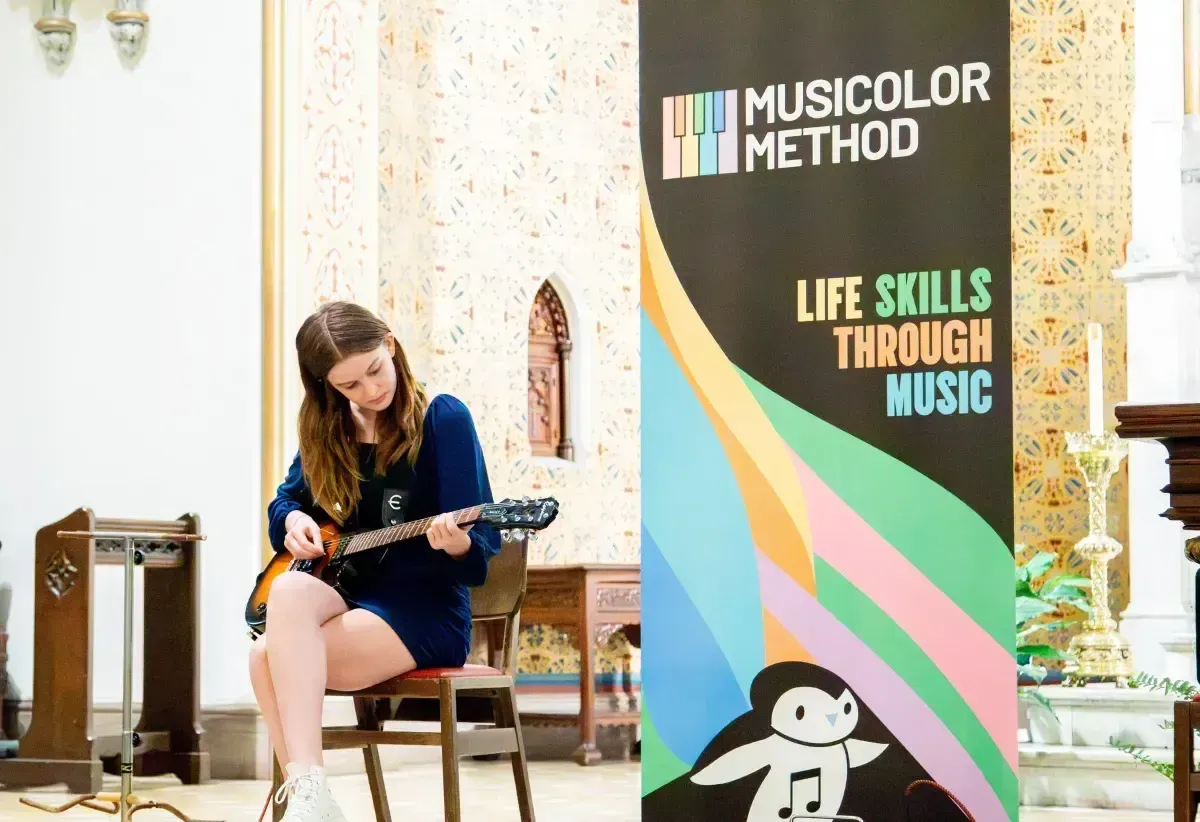
From Living Room to World
Stage
Early introduction to music fosters confidence, helping them express, communicate, and shine even beyond the piano. Great for building skills through music lessons in NYC that prepare kids for future success.
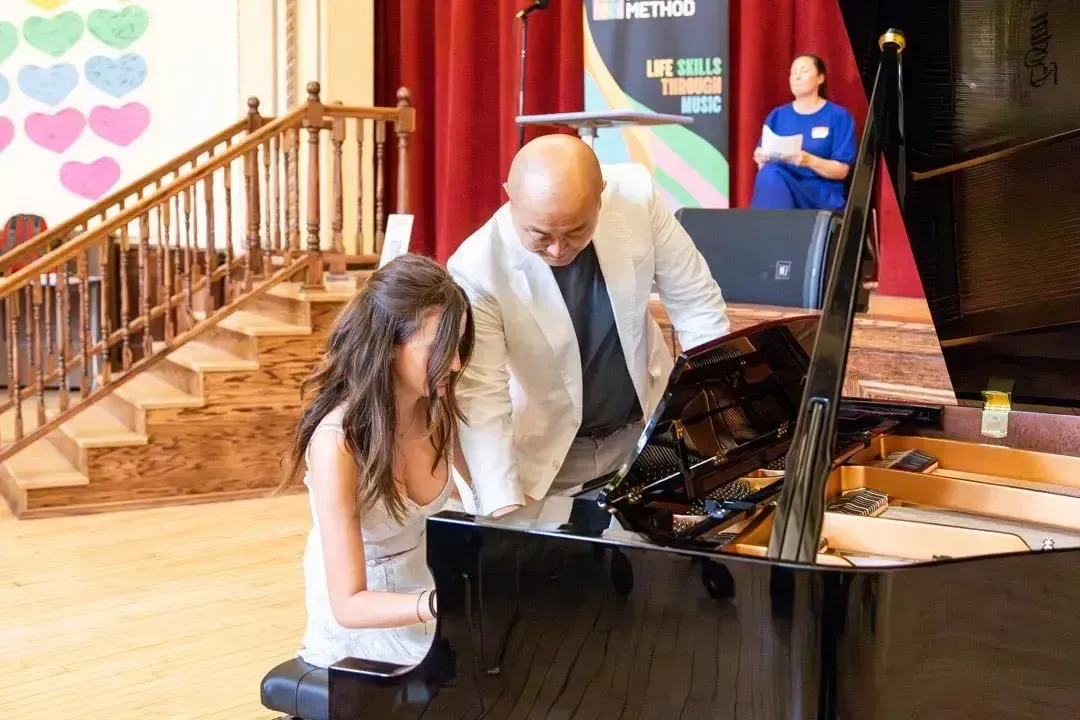
A Love for Learning Starts
Young
By making lessons a joyous home event, we inspire a lifelong curiosity and love for learning. This approach makes our program stand out among beginner music lessons and nurturing music education.
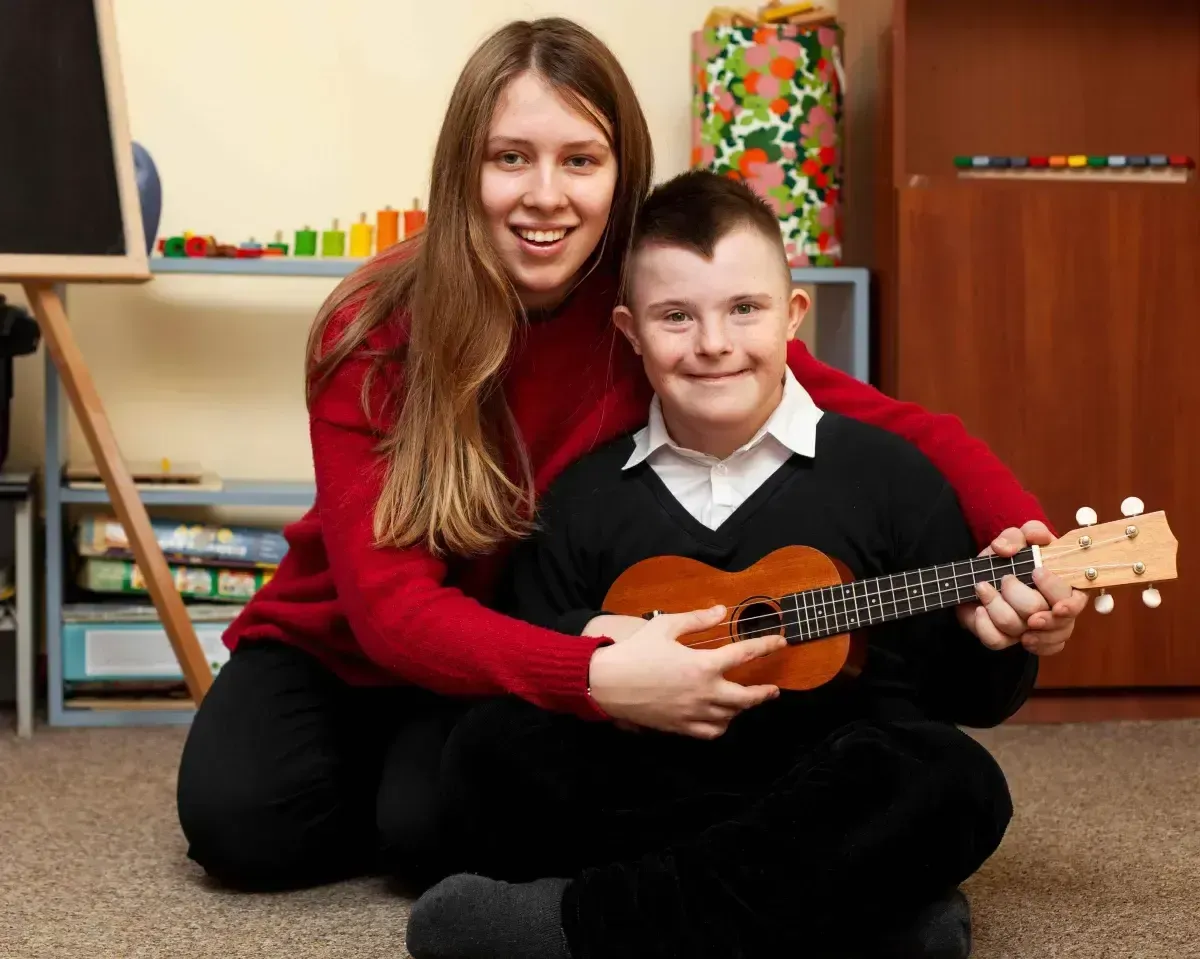
MUSIC LESSONS FOR ADHD, ASD & OTHER SPECIAL NEEDS
Many neurodivergent children thrive when learning starts with experience and confidence instead of pressure and correction.
Our specialized music lessons are designed to support learners with ADHD, Autism, and other special needs. In a safe and encouraging environment, we use music to improve focus, communication, and emotional expression while boosting confidence and creativity. Whether it’s learning an instrument, singing, or exploring sounds, each lesson is tailored to individual strengths and abilities—making music both fun and therapeutic.
Our Programs
Every program is designed to meet your child where they are—without rushing or overwhelm.
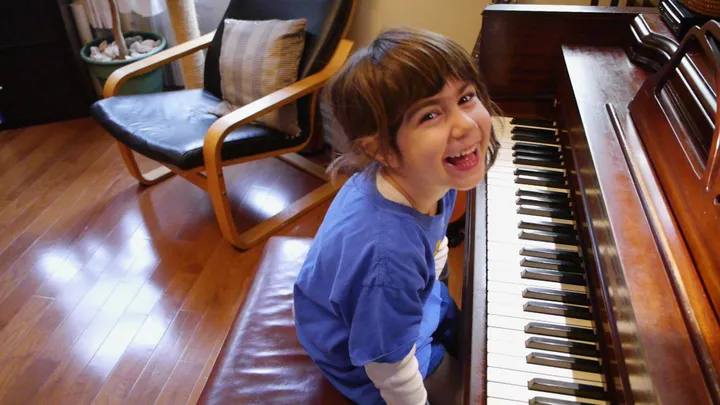
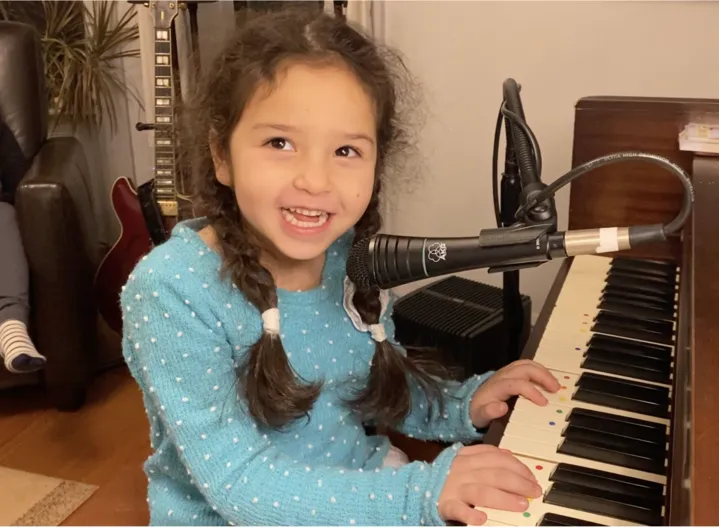
Need a Keyboard for trial lessons?
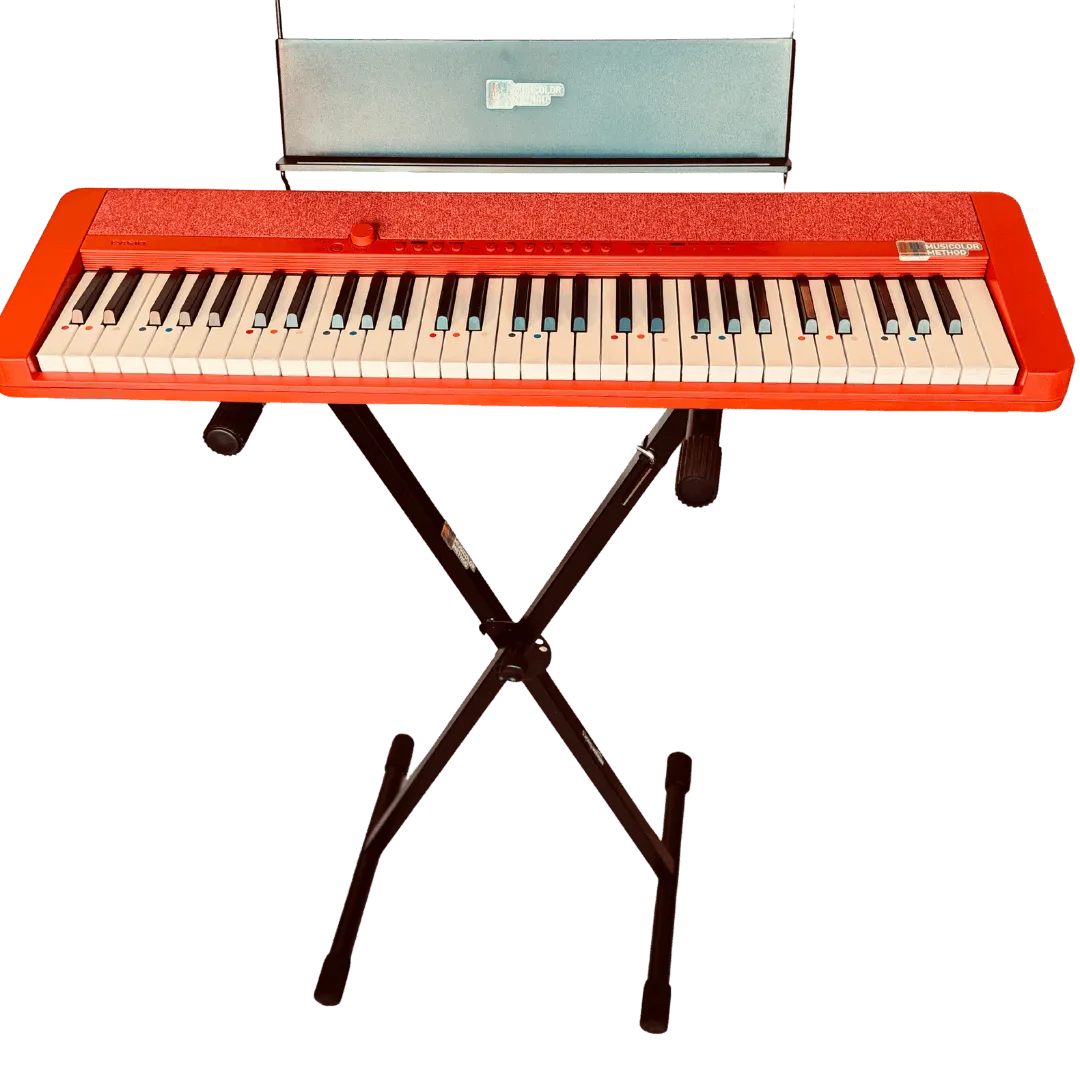
For families in Park Slope and surrounding Brooklyn neighborhoods, we offer a convenient trial keyboard delivery option. We provide a red Casio CT-S1 (61 keys) with X-stand and travel bag.
Transport fee: $50 for drop-off and pickup within Park Slope and nearby areas.
Transport fees may be higher for locations farther from our Park Slope storage location.
If you choose to continue lessons and would like to keep the keyboard, we’ll simply add $300 to your account.
A simple, local solution to help your child get started right away.
Penguin Pals™: A Gentle, Playful Introduction to Music
Designed for ages 2–5, where curiosity comes first and structure grows naturally.
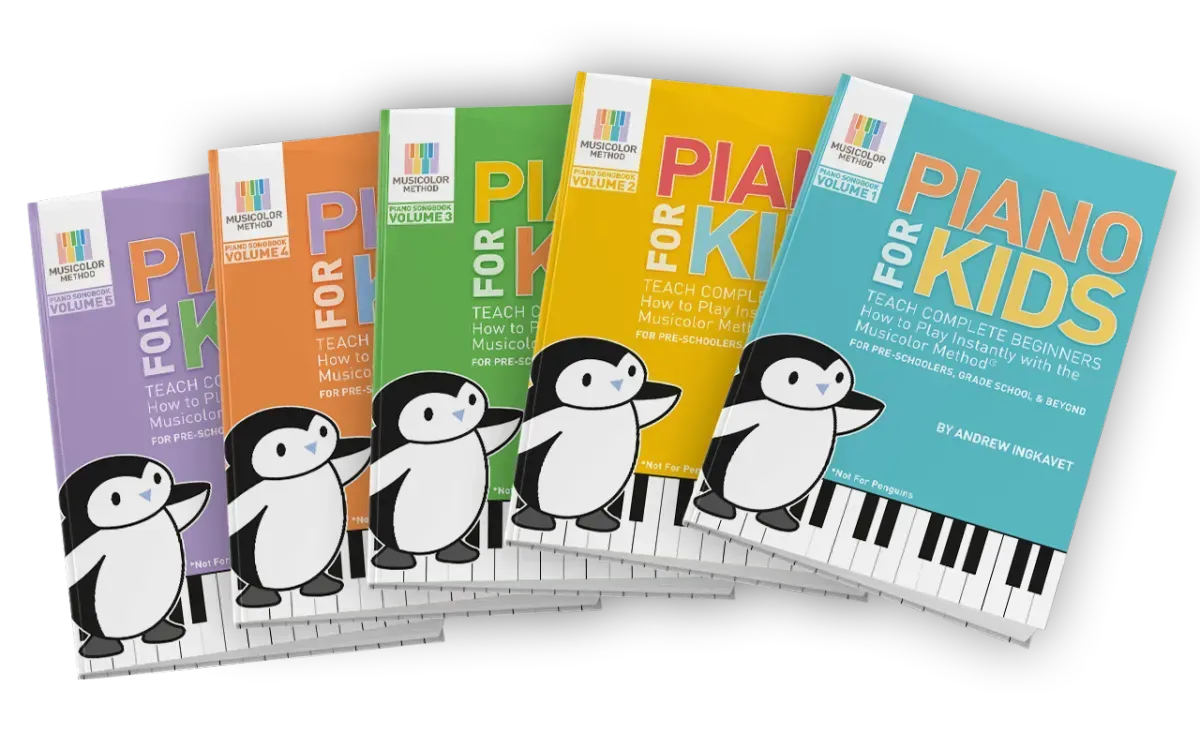
The Musicolor Method:
Perfectly tuned for ages 4+, right at home
MUSICOLOR EARLY FOUNDATIONS
Unlock your child’s musical magic – right from home, anywhere in NYC!
Meet our New York City Team
Our teachers are more than just instructors—they are mentors, heroes, and role models. Each member of our team has undergone a rigorous vetting and training process. This includes background checks and official certification through our exclusive Musicolor Method NYC Masterclass. All of our teachers hold at least a bachelor's degree, with many having earned advanced degrees from prestigious institutions such as Berklee College of Music, Juilliard, NYU, Harvard, Boston College, New England Conservatory, and more.

Andrew Ingkavet
Founder & CEO

Daniel Moss
General Manager
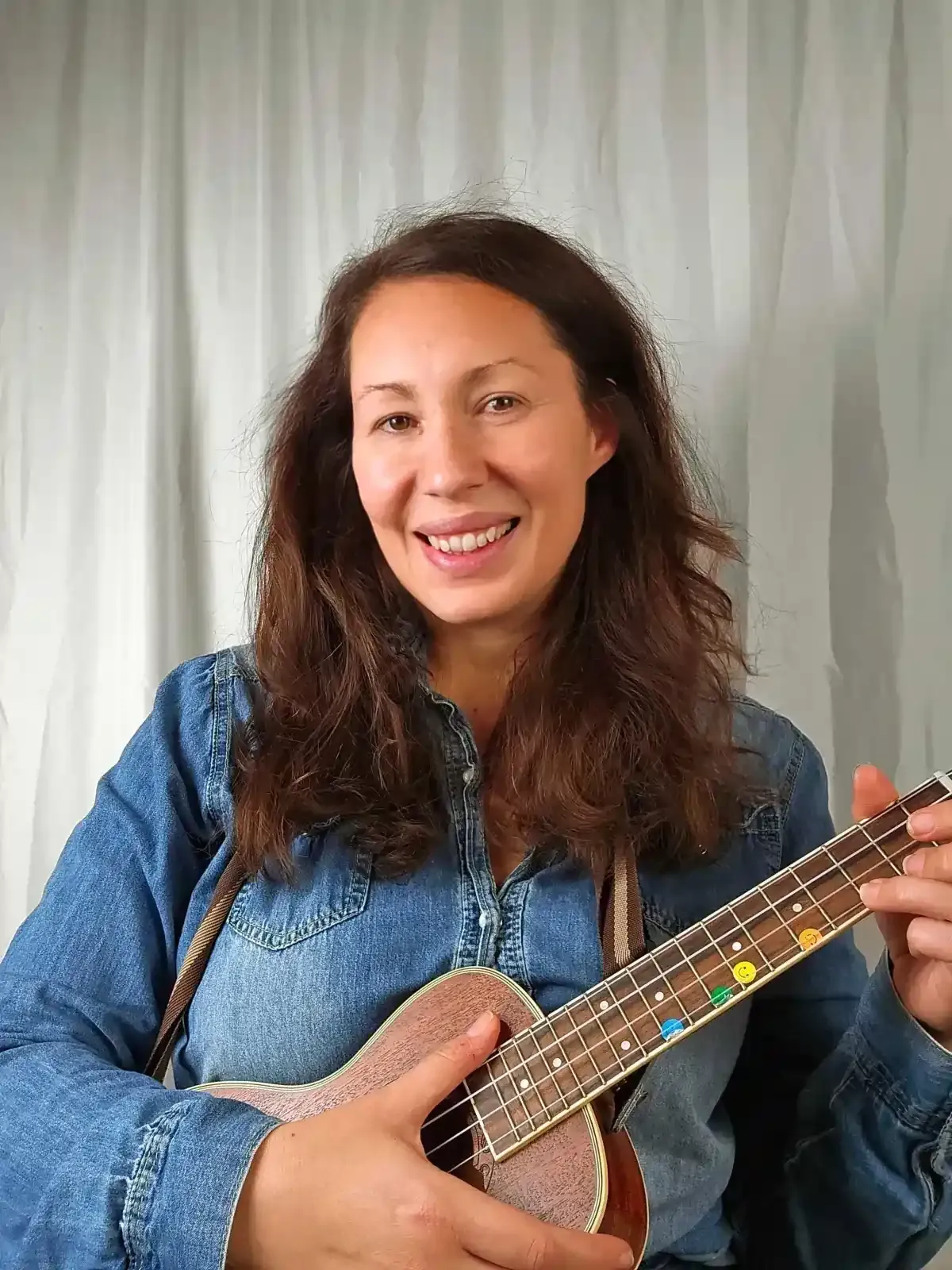
Laura Wilson
Parent Coordinator
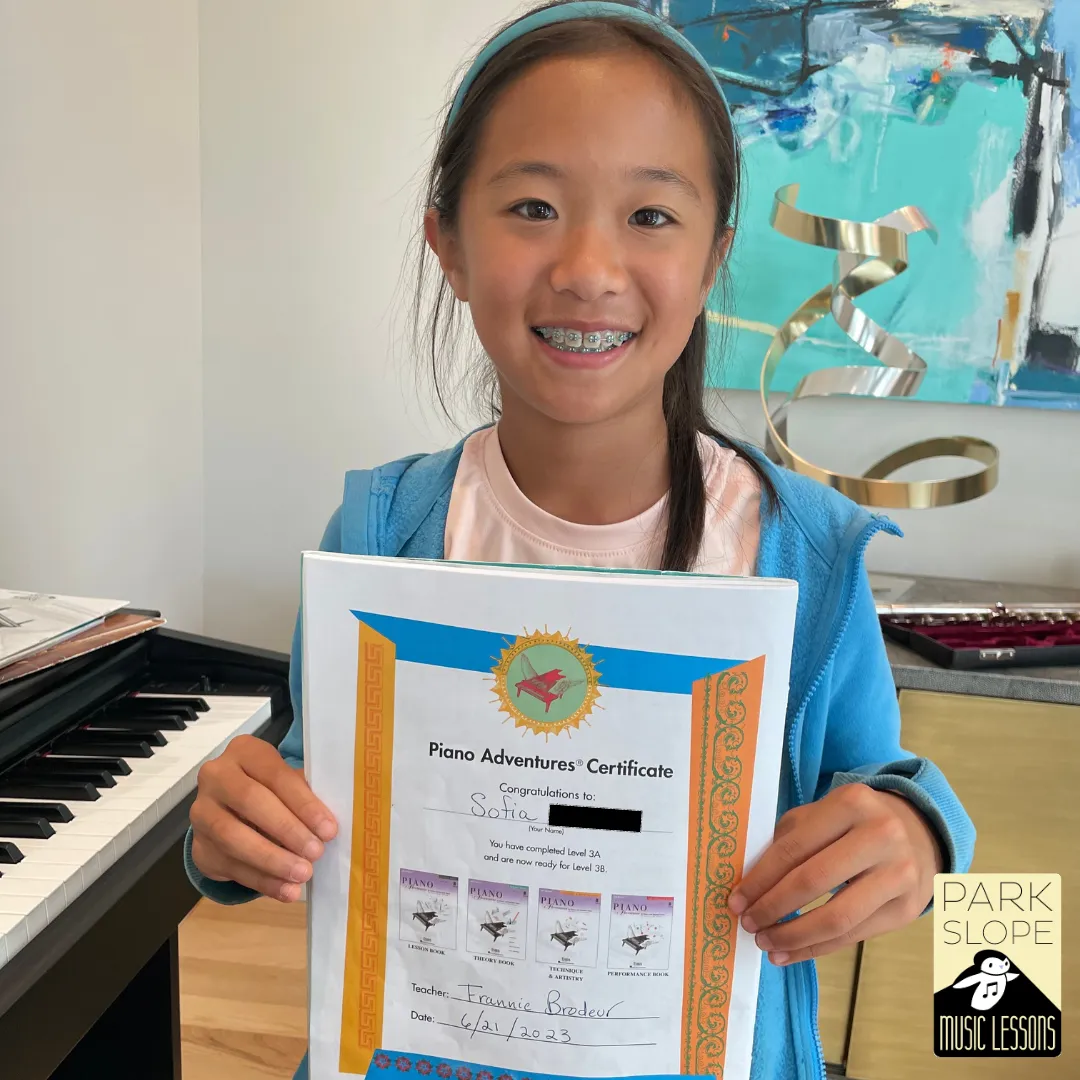
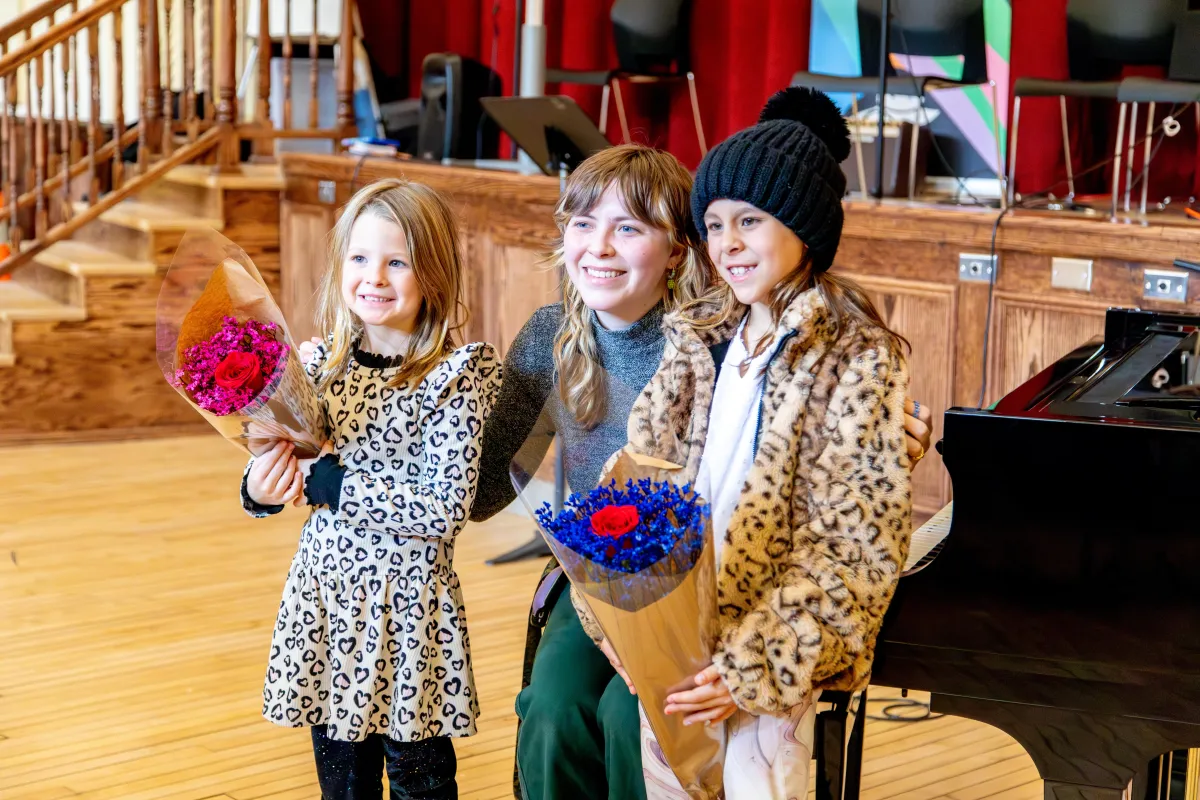
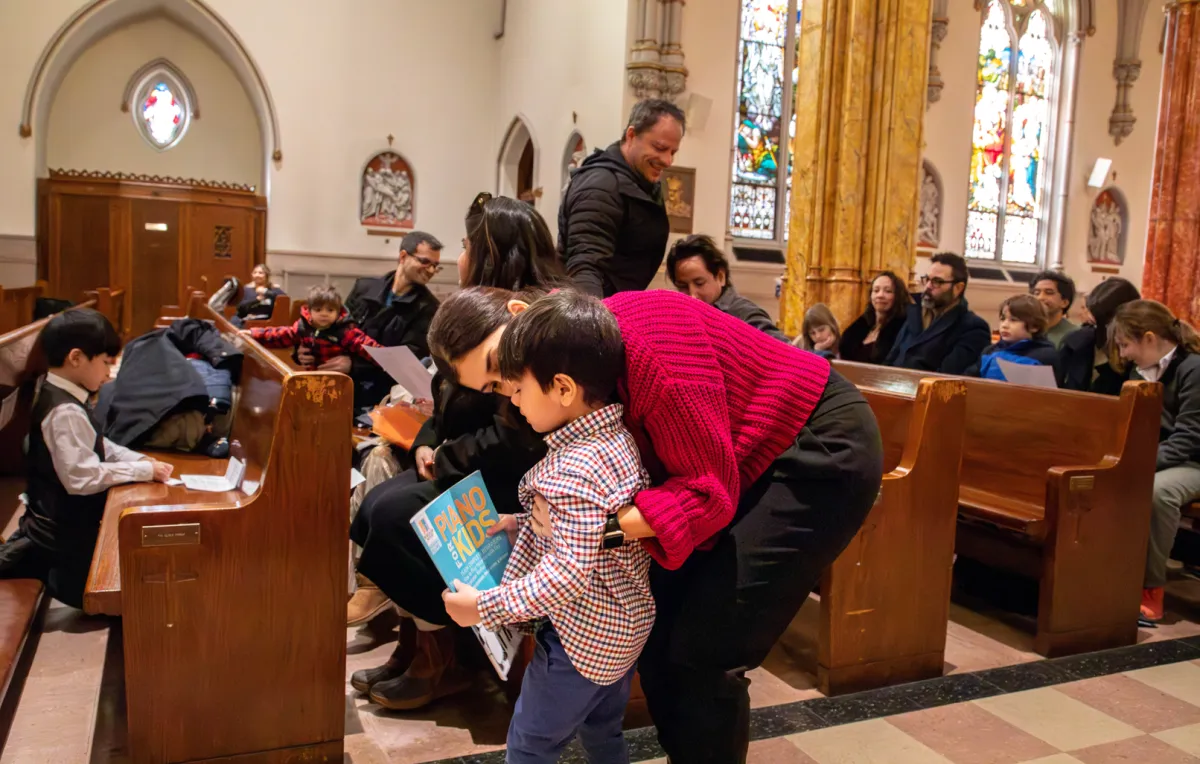
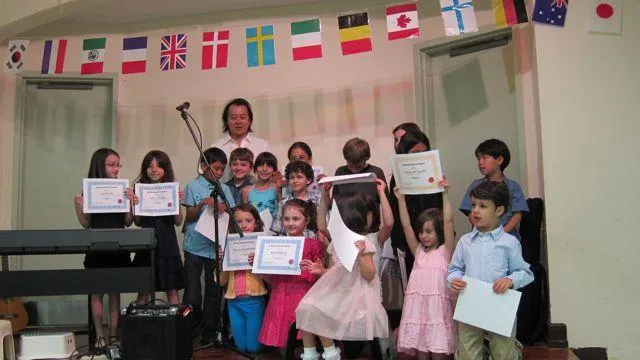
Musicolor Method NYC Scholarship Program
At Musicolor Method NYC, we believe every child deserves the opportunity to experience the joy and benefits of music education. Beyond learning notes and rhythms, our approach nurtures confidence, focus, creativity, and resilience—skills that last a lifetime.
To make music education accessible to all, we offer need-based scholarships for music lessons in NYC through our growing fund, supported by community donations, events, and merchandise sales. These music scholarships in NYC provide partial tuition assistance (10% to 70%) for families facing financial challenges. If cost has been a barrier, we encourage you to apply—our simple application process ensures support reaches those who need it most.
Our Blogs
Explore music lessons in NYC, with tips, stories, and inspiration to grow your musical skills.
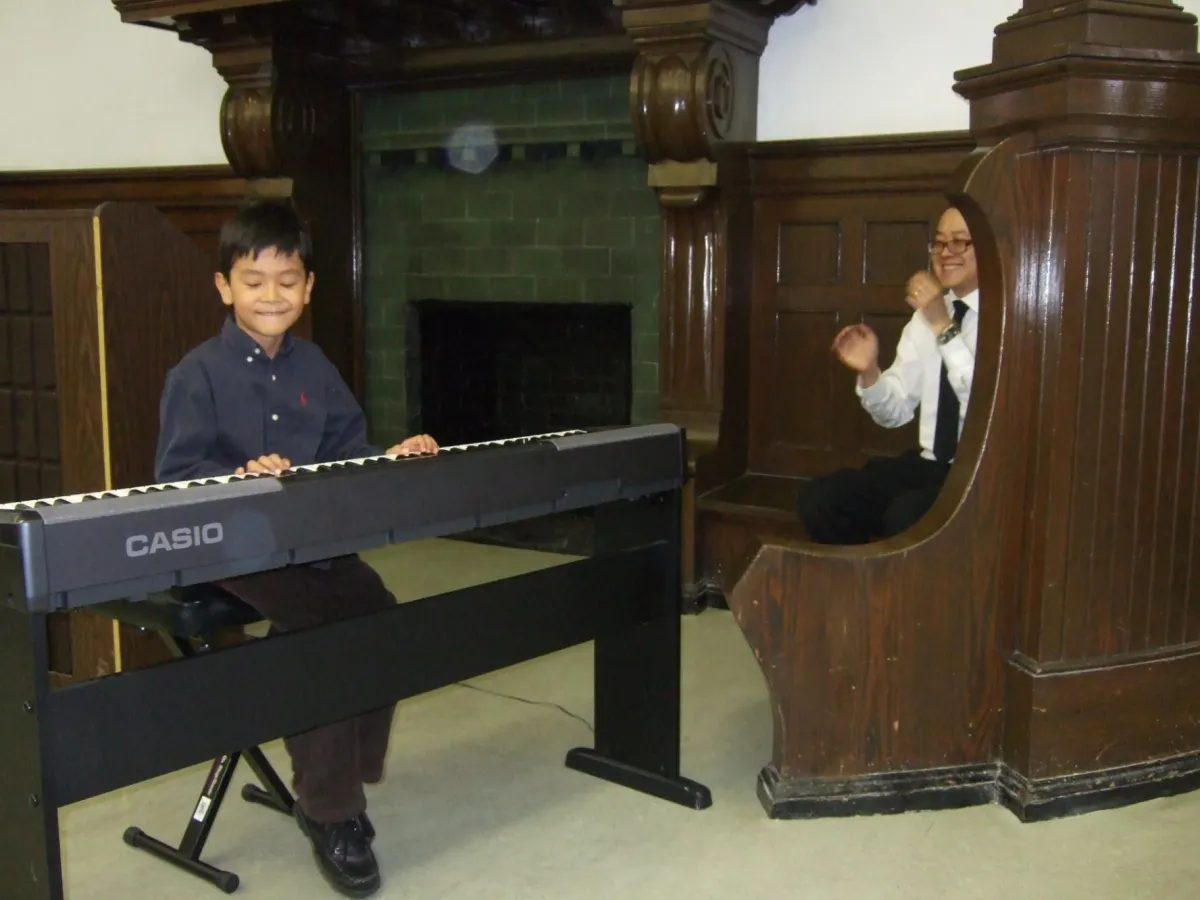
Sequence Before Skill: Why Waiting Costs Your Child Confidence
The Real Reason Kids Quit Music (It's Not What You Think)
Most parents think their child quit piano lessons because it was "too hard." But here's what's really happening in countless Brooklyn homes: kids don't quit music because it's challenging: they quit because they feel confused and behind.
That confusion isn't their fault. And it's not yours either.
The damage starts small. Your six-year-old sits at the piano, staring at black dots on a page that might as well be hieroglyphics. They press keys, but nothing sounds like the song they love. Week after week, they watch your face for approval instead of listening to the music they're creating. That's when the real damage begins: and it compounds fast.
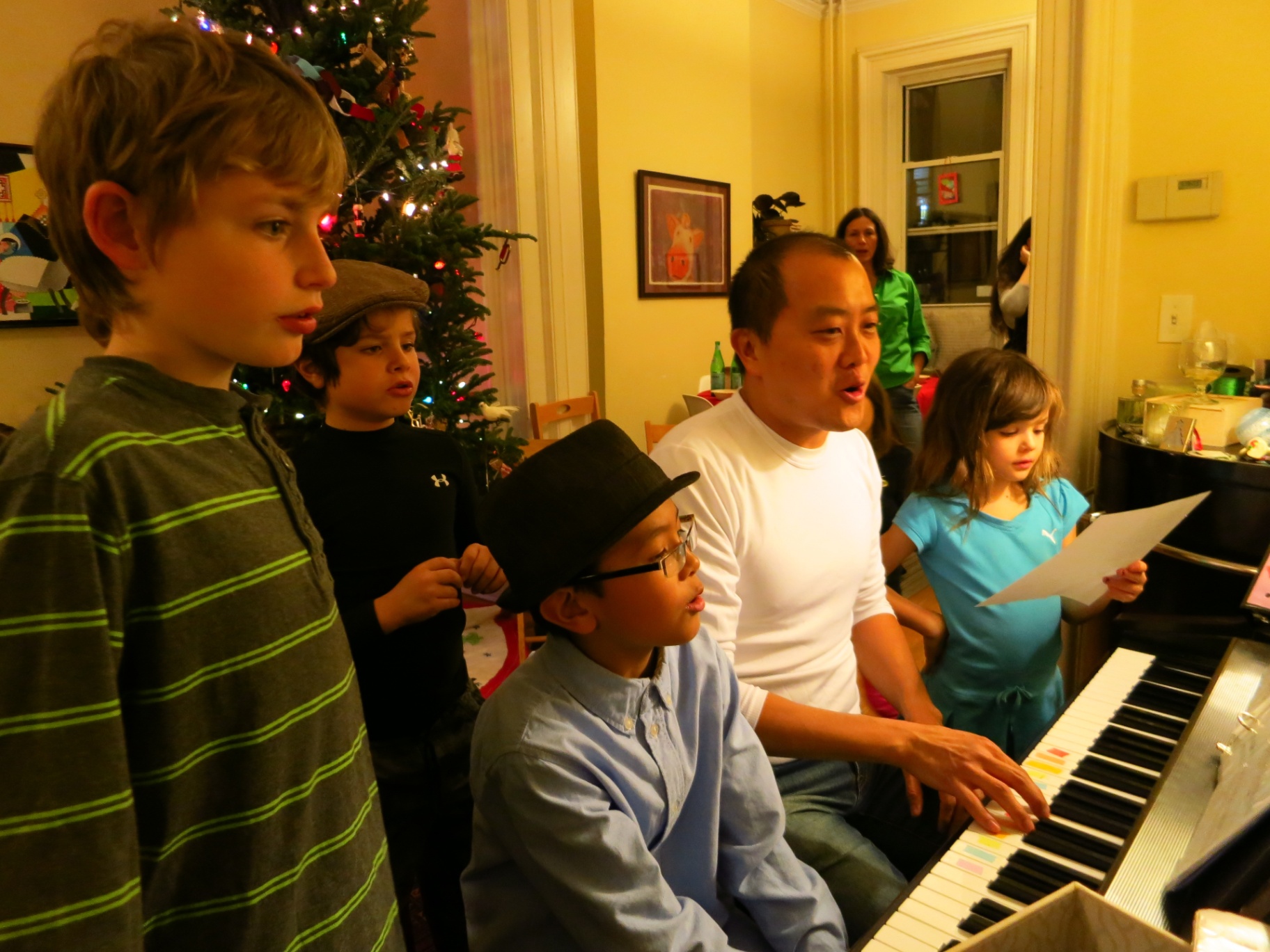
By the time you notice your child has lost interest in their beginner piano lessons, the confidence window may have already closed. And here's the part that keeps music teachers up at night: once a child associates music with confusion and failure, it takes exponentially more work to rebuild that confidence than it would have taken to build it correctly from the start.
The Assumption That's Costing Your Child
"If my child practices enough, it will click."
This is what nearly every parent believes when they sign up for music lessons in Brooklyn. It sounds logical. It feels responsible. And it's completely wrong.
This assumption rests on a fundamental misunderstanding of how learning works. It assumes your child's brain already has the right sequence of understanding in place: that with enough repetition and effort, the pieces will magically fall into order.
But what if the order itself is the problem?
Imagine trying to teach a child to read by starting with Shakespeare. No amount of practice would make those words accessible because the foundational sequence: letter sounds, simple words, basic sentences: was skipped entirely. Yet this is exactly what happens in traditional early childhood music education when we hand a five-year-old sheet music and expect them to "practice until it clicks."
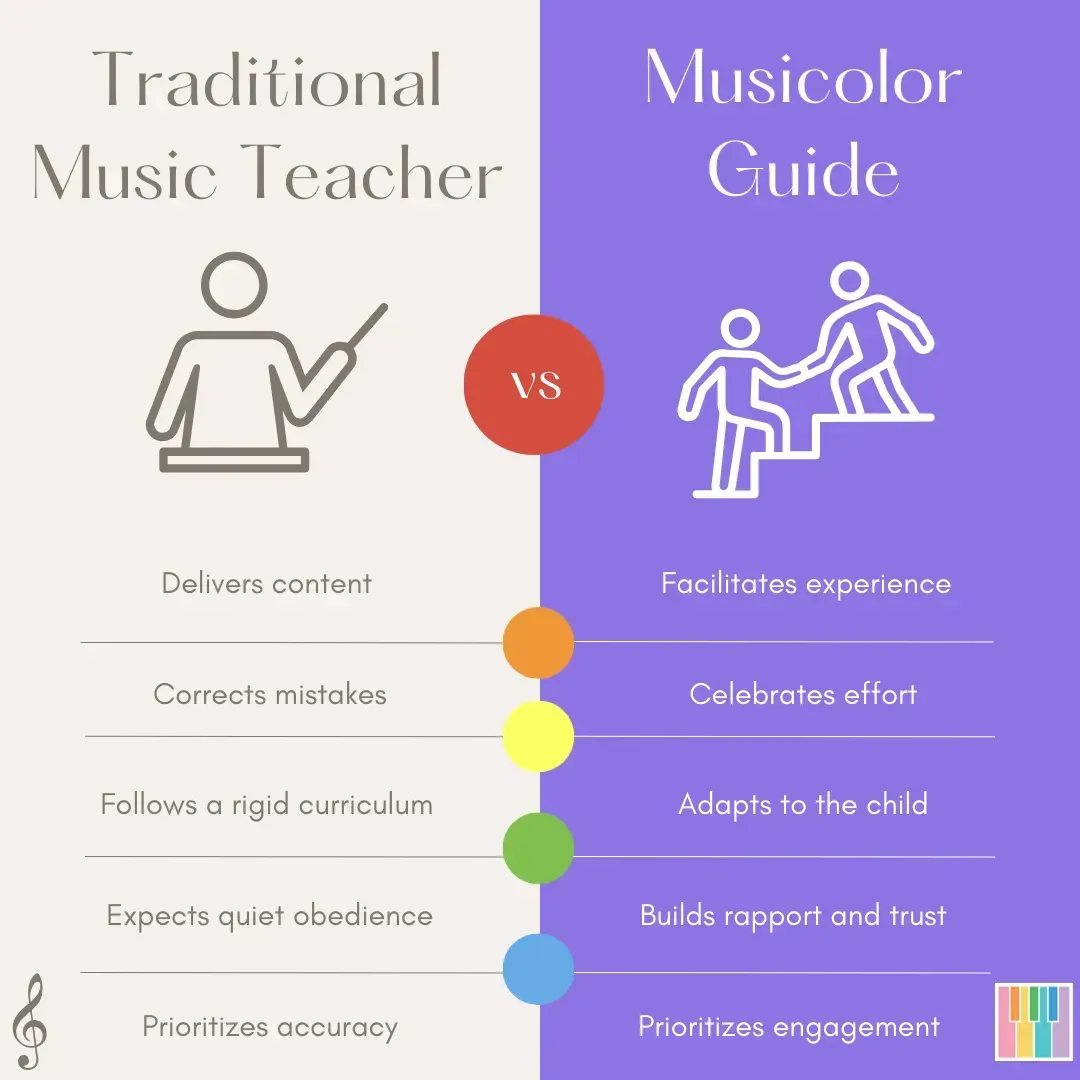
The Musicolor Insight: Sequence Before Skill
Here's what we've discovered through years of working with children who've struggled with traditional music methods: skill is delayed when sequence is skipped. No amount of practice can fix a bad order of learning.
The brain doesn't learn music the way most lesson plans teach it. Children need to hear before they read, feel before they analyze, and succeed before they're corrected. When we rush to notation, scales, and technique before building these foundations, we're essentially asking a child to build a house starting with the roof.
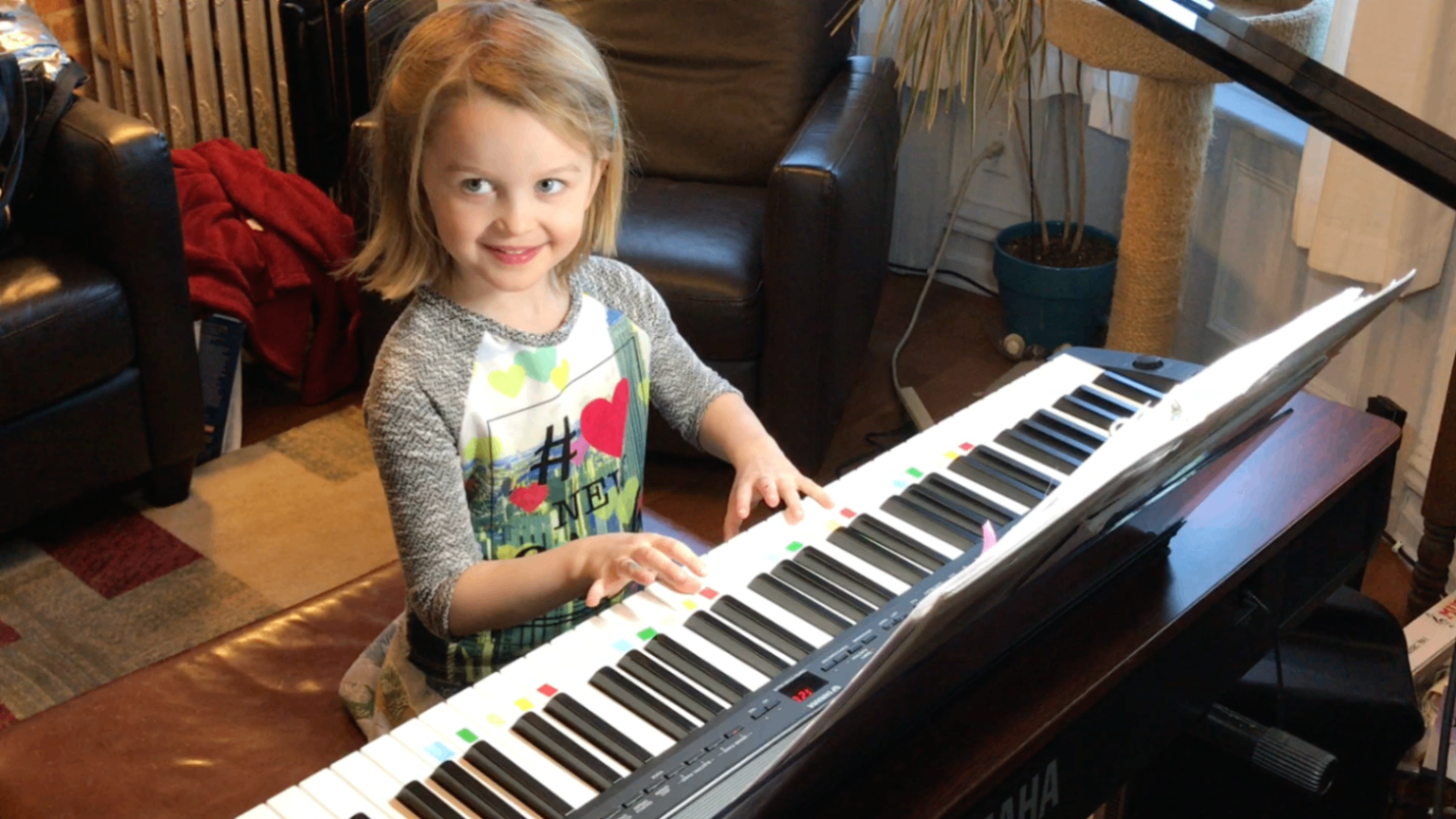
The Musicolor Method emerged from a simple but revolutionary insight: what if we taught music the way children actually learn? What if we followed their natural developmental sequence instead of forcing them into an adult framework?
This isn't about lowering standards or making things "easier." It's about making them logical.
When Sequence Goes Wrong: The Hidden Damage
When children receive music instruction in the wrong sequence, two devastating things happen:
Short-term compliance masks long-term insecurity. Your child may sit through lessons and complete assignments, giving you the impression that everything is fine. But inside, they're developing a relationship with music based on confusion and approval-seeking rather than joy and discovery.
Children stop listening and start watching. This is the heartbreaking part. Instead of listening to the sounds they're creating and trusting their musical instincts, children in poorly sequenced programs learn to watch adults' faces for clues about whether they're "doing it right." Music becomes a performance of correctness rather than an exploration of expression.
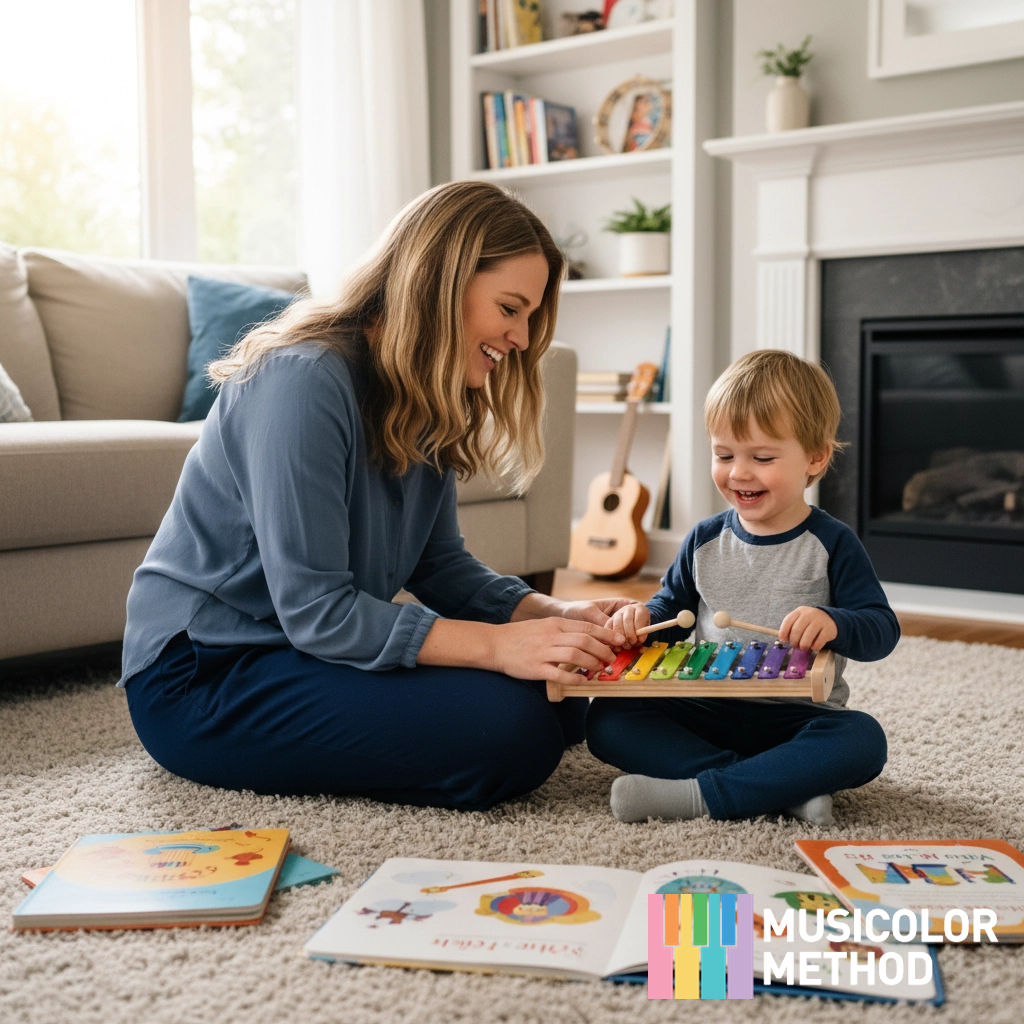
Watch a child in a traditional lesson trying to read notes they can't hear in their head, and you'll see this pattern: eyes constantly darting between the page and the teacher's face, seeking external validation for internal confusion. They've learned that the adult holds the "right answer" rather than discovering that the music itself contains everything they need to know.
A Clear Picture: When Learning Goes Backwards
Let's get specific about what wrong sequence looks like in practice:
Reading notes before understanding sound. Most programs start with notation: those intimidating black dots on lines. But children can't meaningfully read musical symbols they can't hear in their minds. It's like teaching someone to read a map of a country they've never visited.
Worksheets before musical play. Traditional early childhood music education often emphasizes theory, note names, and written exercises before children have had enough time to simply play with sounds, rhythms, and musical ideas. Play isn't preparation for learning: it IS learning.
Correction before confidence. Many well-meaning teachers correct "mistakes" before children have developed enough confidence to experiment and explore. But in music, what sounds like a mistake might be creativity. When we correct too early, we teach children that music is about avoiding errors rather than expressing ideas.
The result? Children who can identify notes on a page but can't sing a simple melody. Students who know their finger numbers but freeze when asked to improvise. Kids who practice dutifully but never choose to sit down and play for fun.
Why Time Matters More Than You Realize
Here's the urgency part, and it's important you understand this: early learning patterns harden quickly, and confidence windows close sooner than skill windows.
Between ages 3 and 8, children's brains are incredibly plastic. They form neural pathways based on their early experiences with learning. If those experiences are characterized by confusion, external validation-seeking, and disconnection from their natural musical instincts, those patterns become the default approach to musical learning.
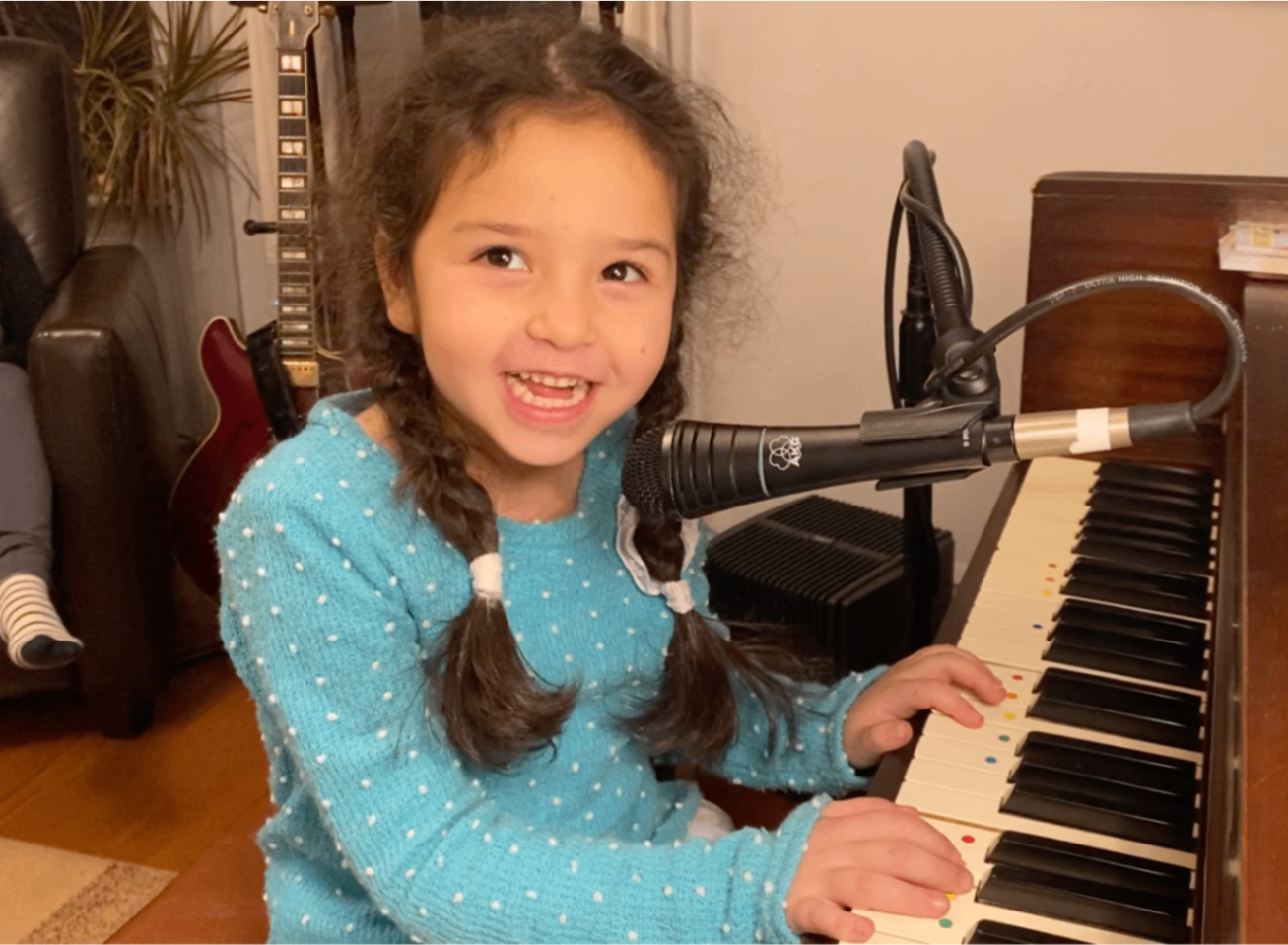
But there's good news: when early musical experiences are sequenced correctly, children develop neural pathways based on discovery, internal listening, and confidence in their own musical judgment. These positive patterns become just as hardwired: and they serve as a foundation for a lifetime of musical growth.
The window for establishing these foundational patterns is wide open during the preschool and early elementary years. It doesn't slam shut after age 8, but it does start to narrow, and changing negative patterns becomes increasingly difficult.
How Musicolor Designs for Natural Sequence
The Musicolor Method didn't emerge from theory: it emerged from watching children and asking: "How do they actually learn?"
Our sequence follows their natural development: Sound → Color → Pattern → Notation.
Sound comes first. Children listen, sing, and play with musical ideas before they see any written symbols. They develop an internal musical library: melodies, rhythms, and harmonic progressions they can hear in their minds.
Color makes sound visible. Instead of abstract notation, children see musical relationships through color. High sounds are lighter colors, low sounds are darker colors. Patterns become visual before they become theoretical.
Patterns emerge naturally. Once children can see and hear musical relationships, patterns start to make sense. They discover that music has structure and predictability without being taught rules they can't yet understand.
Notation becomes meaningful. Only after children have a rich foundation of musical understanding do we introduce traditional notation. By this point, those black dots on lines represent sounds and patterns they already know intimately.
Success isn't hoped for: it's engineered into every step of the process.
What You Can Do Right Now
If your child is currently taking music lessons, here are three immediate actions you can take:
Evaluate the order, not the effort. Instead of asking "Is my child practicing enough?" ask "Is my child learning in a sequence that makes sense?" Are they being asked to read what they can't hear? Are they corrected before they're confident? Are they following rules they don't understand?
Ask teachers about sequence. Any qualified instructor should be able to explain their developmental approach. How do they ensure children understand concepts before moving to the next level? What comes before notation in their curriculum? How do they build confidence alongside skill?
Trust your child's responses. If your child seems confused, frustrated, or disengaged with their current music lessons in Brooklyn, don't assume they "just need more practice." Their responses are valuable information about whether the sequence is serving them.
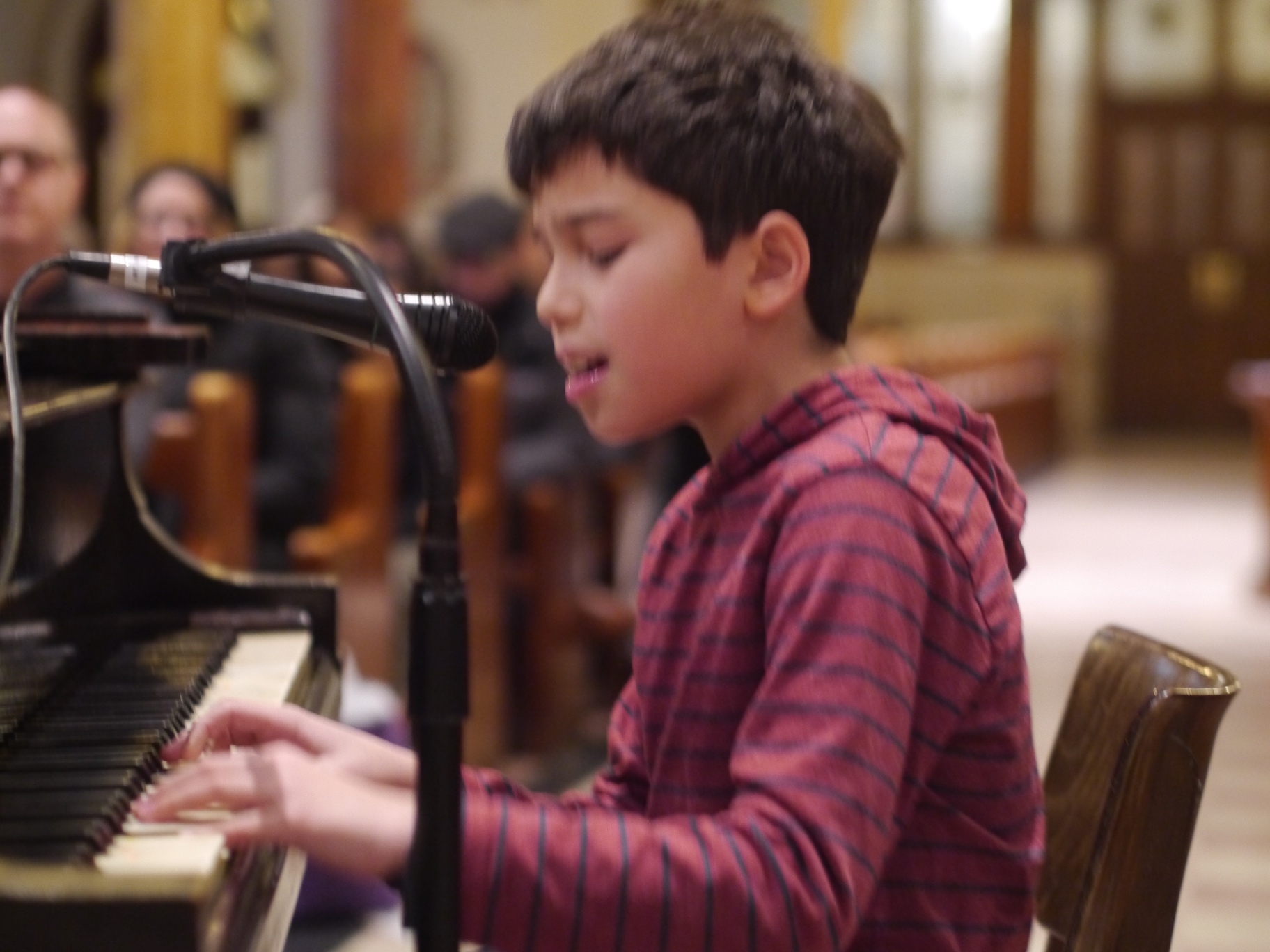
The Path Forward: It's Not Too Late
Here's the relief you've been waiting for: if your child is already frustrated with music lessons, waiting won't fix it. But changing the sequence will.
Children are remarkably resilient. Even if they've had negative musical experiences, they can rebuild confidence and joy when learning follows their natural development. We've seen it happen countless times: children who were convinced they "couldn't do music" discovering that they absolutely can when taught in the right order.
The Musicolor Method has helped hundreds of Brooklyn families transform frustrating music lessons into confident, joyful musical exploration. We'd love to show you exactly how our sequence works in practice.
Ready to see the difference sequence makes? Contact us to observe a Musicolor lesson in action. Watch how children engage when learning follows their natural development instead of fighting against it.
Your child's musical confidence is waiting. The only question is: will you give them the sequence they need to find it?

Are You Ready to Embrace Holistic Growth for Your Little One?
Schedule a Call Now and we'll learn more about your child, their learning styles, preferences and schedule to match you with the perfect in-home music teacher.
Parents Share Their Stories
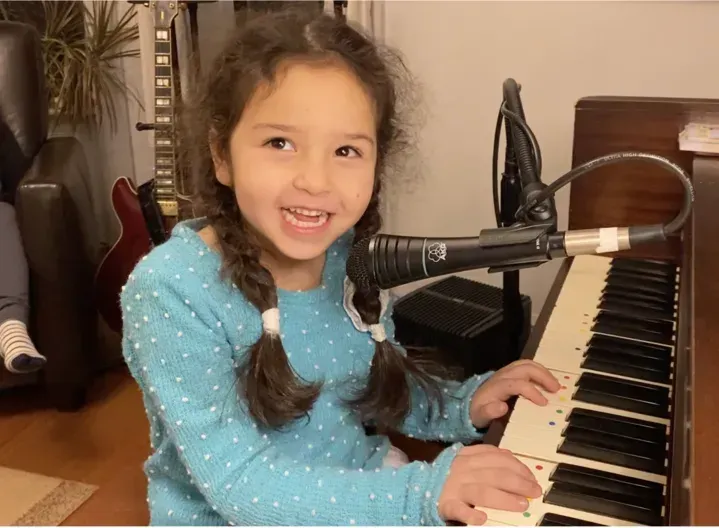
"My daughter has been a student at Park Slope Music Lessons for years and it's been a fabulous experience. Piano has helped provide her with a different approach to thinking and learning and she truly enjoys it. The instructors are fantastic and do an amazing job connecting with each student and tailoring their approach to their individual needs. Thank you so much!"
- Kevin DeNoia
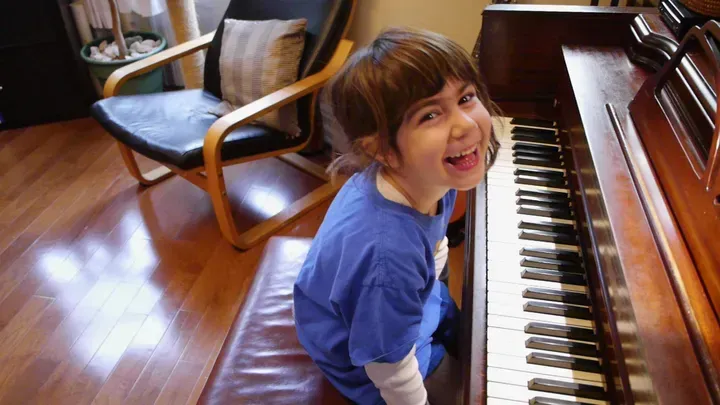
"My daughter has never sought to play music professionally, so her continued commitment to her weekly lessons for 12+ years (even with her busy high school schedule), is a testament to how much she truly enjoys being part of the Park Slope Music Lessons family!"
- Caroline Lee
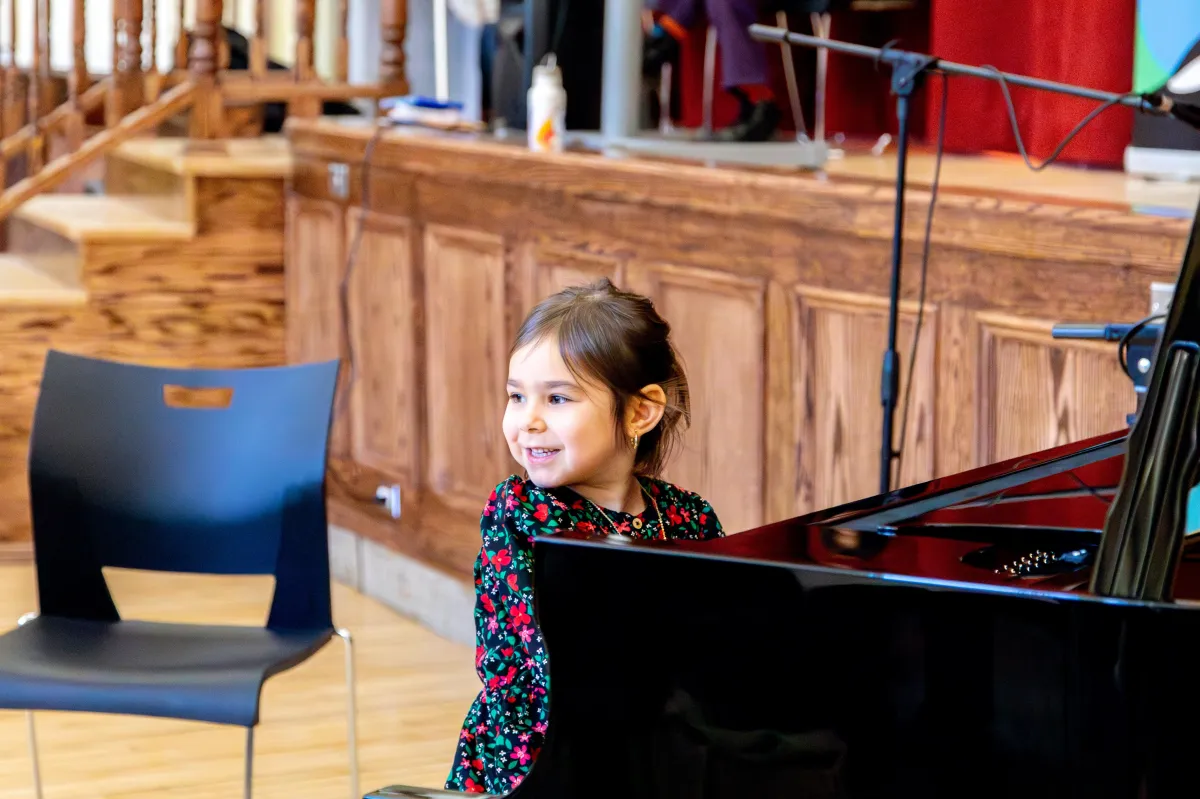
"My son started piano lessons with Andrew & co. when he was 4 1/2. The Musicolor Method really made learning to read and play music possible for home at that age."
- Sarah Kornbluth
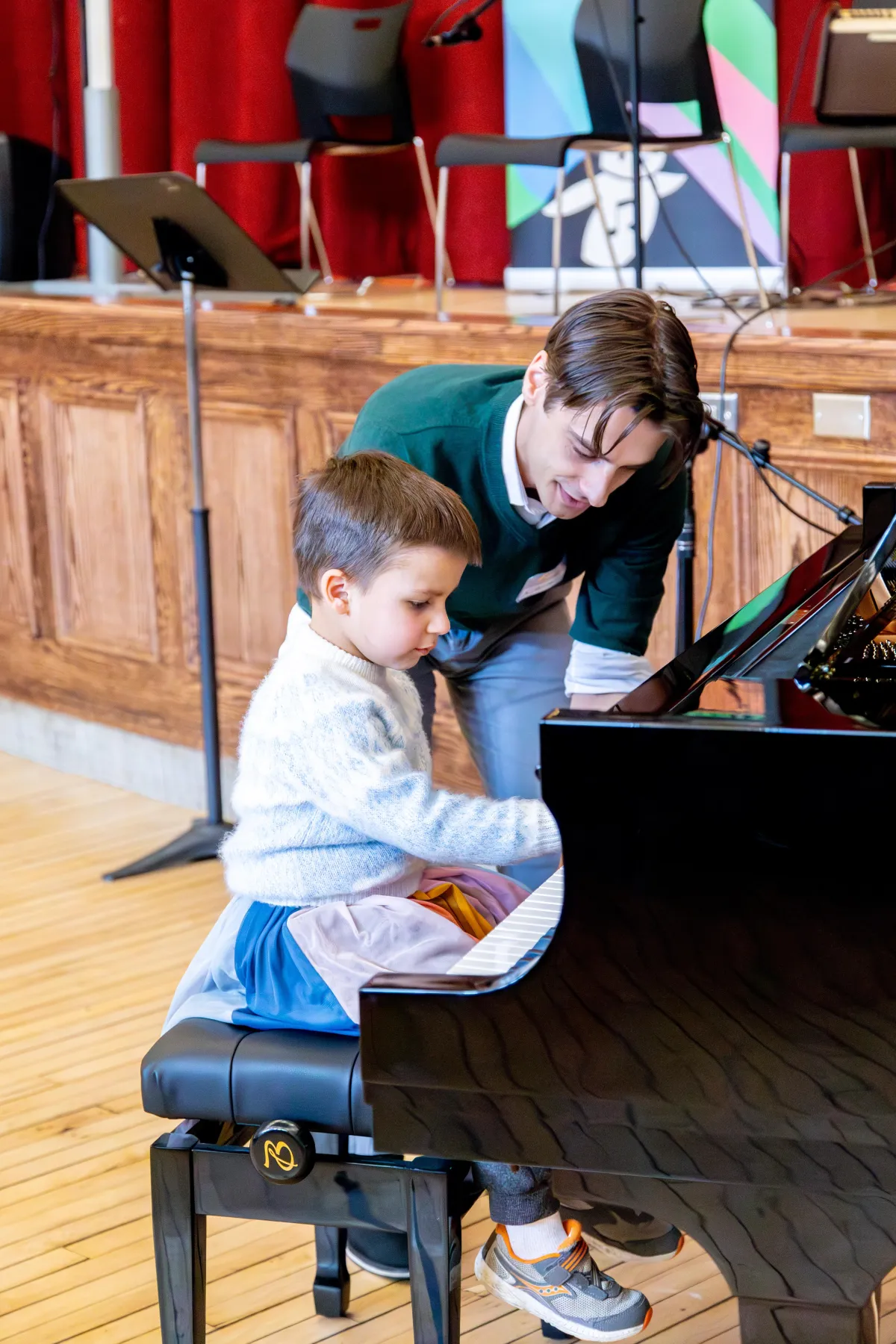
“…What an excellent music teacher Chris is. He has been teaching my daughter…for the past ten months or so, and I am regularly struck by how well he communicates to her (she is 7) and explains music concepts and ideas, and demonstrates and guides her. Chris does so in a way which she clearly finds engaging and motivating. He is also very patient, kind and gentle with her.”
- Julia O.
STILL NOT SURE?
Frequently Asked Questions
Question 1: Will my child eventually learn to read music properly?
Yes. Reading is introduced once your child feels confident and connected to the instrument. By that point, learning to read feels exciting instead of stressful.
Question 2: Which instrument should my child learn first?
We generally recommend that children under the age of 8 start with at least 6 months of piano/keyboard. Not only is creating sound on a keyboard far simpler than it is on other instruments, it's linear and intuitive layout allows for quickly building a foundational understanding of music theory. This makes transferring to other instruments much quicker and more enjoyable.
Question 3: What instruments do you teach?
PIANO , VOICE , GUITAR , BASS , UKULELE , FLUTE , SAXOPHONE , CLARINET , TRUMPET , TROMBONE , FLUGELHORN , DRUMS/PERCUSSION , SONGWRITING and more.
Question 4: What is the cost of music lessons?
Our special trial lesson package includes two 30-minute trial lessons spaced a week apart at $185 - books and materials are included. After that, we prorate our annual tuition, which is $3240 for 32 lessons and 2 recital opportunities. There is a monthly payment plan available. The semester runs September 8th, 2025 - June 26th, 2026, and mostly follows the NYC Public School holiday schedule with a few additions. Special discounts are available, which we'll discuss on a free consultation call. You can book a call here.
See details on our parents' information page, Pontus Palace.
Question 5: What age is best to start music lessons?
We accept students 4+ years in age - on some occasions, as young as 3 1/2. We ask that all new students be capable of the following:
1. Can your child write their name legibly?
2. Can your child count to 10?
3. Can your child sit and focus on one activity for at least 5 minutes?
4. Are your child's fine motor skills developed enough to play a key with each of their 5 fingers?
Question 6: Where are you located?
We do not have a brick and mortar location. We send amazing teachers to your home in Park Slope and surrounding neighborhoods.
Question 7: Do you have recitals?
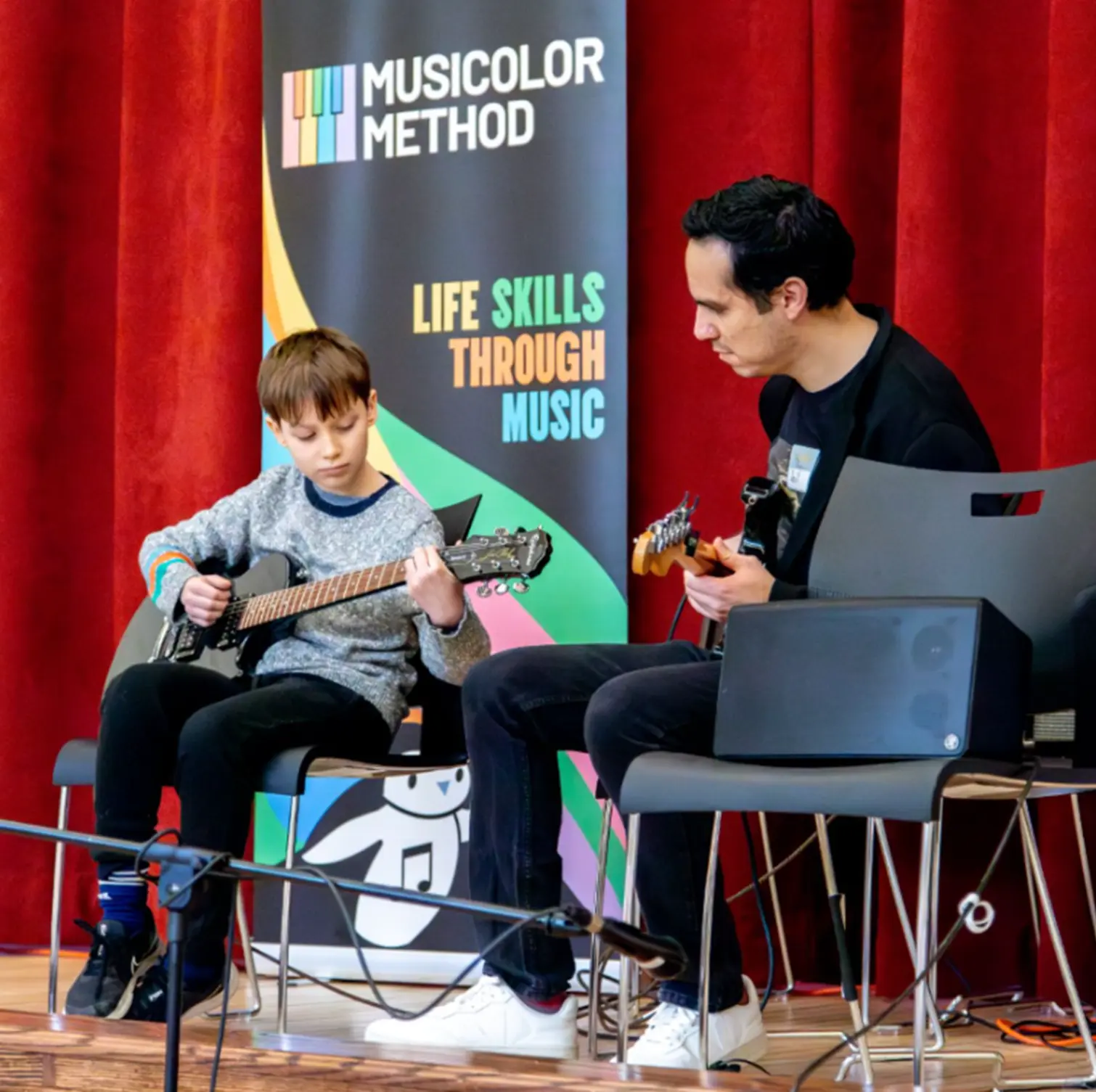
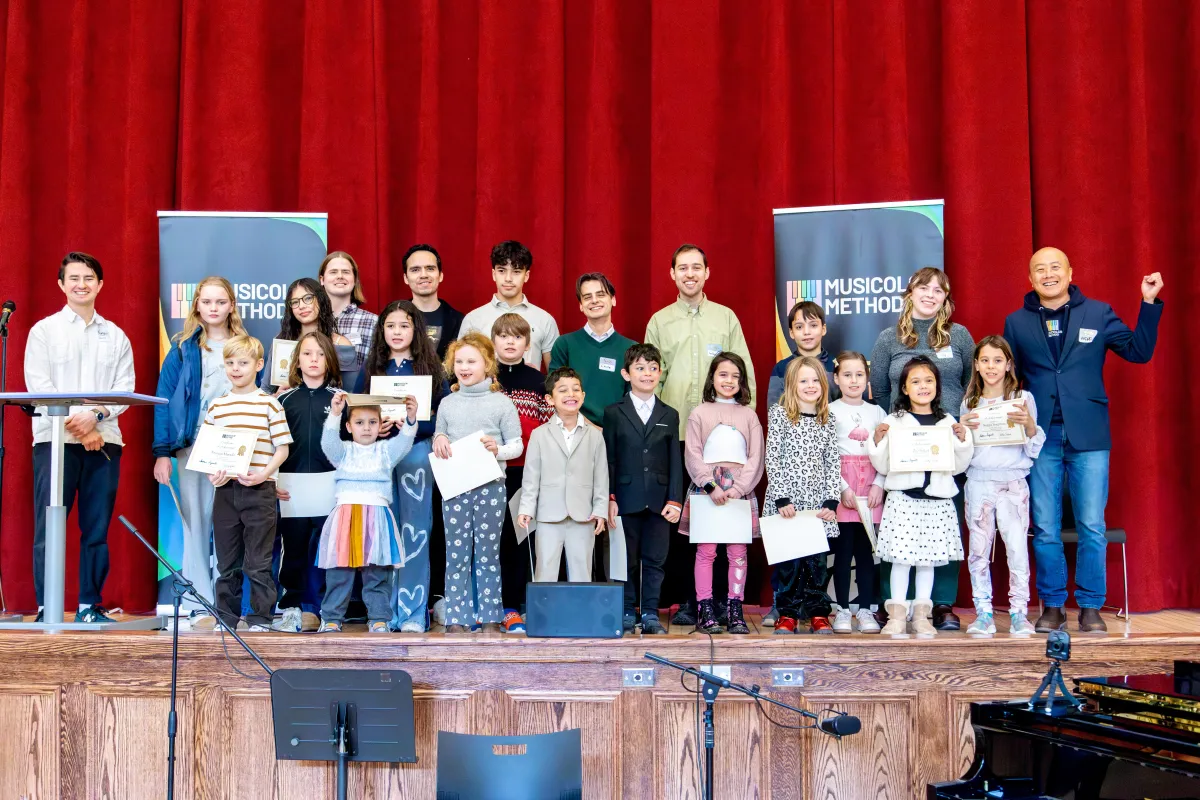
We hold 2 recitals every year at the PS 321 Lower School Auditorium on President Street between 5th and 6th Avenues in Park Slope. This year, our recitals will take place on January 25th, 2026, and June 6th, 2026.
Question 8: What if we miss a lesson?
Each student is allowed 2 makeup credits per semester. We ask that parents communicate directly with their teacher to reschedule any missed lessons. There are no refunds for missed lessons.
Question 9: Do you offer remote online video lessons?
Yes. All of our teachers are able to provide excellent instruction via Zoom no matter where you are located.
Question 10: Do you offer group or sibling discounts?
Yes - we will discuss any potential discounts in your consultation call.
Question 11: Do you accept special needs students?
Yes. Because of our adaptive and inclusive curriculum, the Musicolor Method, we have been able to successfully work with many children with special needs, including Autism Spectrum Disorder, Attention Deficit Hyperactivity Disorder, Dyslexia, and slow learners. Learn more here.
Question 12: Do you teach adults?
Yes, we teach students of all ages!
Question 13: Do you also teach traditional note reading?
Absolutely - it is the goal of the Musicolor Method to teach your child traditional notation in the best way possible. The Musicolor Method serves as educational scaffolding. It builds instant excitement, enthusiasm and confidence to keep going when things get more complicated. Learning to read music does not happen overnight, and the Musicolor Method works to keep a child motivated on that journey.
Question 14: Do you have an early childhood music class for toddlers?
Yes we do - our Penguin Pals class is exactly that. Learn more and sign up here.

Question 15: Do you offer any scholarships or financial aid?
Yes. Our music program helps young people activate life skills through music. We would like to make it as accessible as possible, and have limited scholarships available each year for partially subsidized lessons. Please apply here.

COMPANY
Directory
FOLLOW US



Family-owned and minority-owned business proudly led by a Goldman Sachs 10,000 Small Businesses alumnus
Musicolor Method NYC was formerly known as Park Slope Music Lessons, proudly serving Brooklyn families for over 19 years.
© 2007 - 2025 - 300 Monks, LLC, dba as Musicolor Method. All rights reserved. Unauthorized use prohibited.
Privacy Policy